
Introduction
Crate training is one of the most effective and humane methods for training a puppy. It provides your dog with a safe, secure space and helps establish boundaries, making it easier for them to adapt to their new home. Whether you’re a first-time puppy owner or looking to improve your puppy’s training routine, this beginner’s guide to crate training will provide you with all the essential tips and tricks.
In this blog post, we’ll cover the benefits of crate training, step-by-step instructions for beginners, common mistakes to avoid, and how to make crate training a positive experience for your puppy.
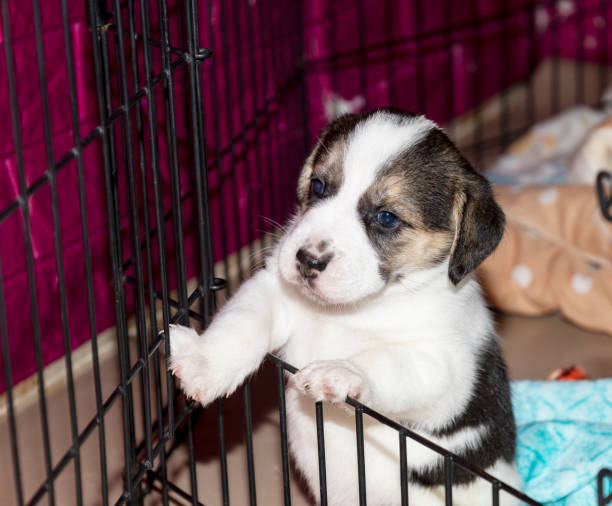
Puppy Training: Crate Training a Puppy Beginner’s Guide
What is Crate Training?
Crate training involves teaching your puppy to associate their crate with positive experiences, such as rest, comfort, and safety. A crate can serve as a den-like space for your puppy, where they can retreat to relax, sleep, or simply have a moment of peace. When used correctly, a crate is not a punishment but rather a tool that helps establish structure in your puppy’s life.
It’s important to remember that puppies, especially when they’re young, have a natural instinct to find a safe and secure place. A puppy crate can satisfy that instinct, providing them with a designated spot where they feel comfortable.
The Benefits of Crate Training
There are several reasons why crate training is highly recommended by trainers and veterinarians. Here are a few key benefits:
- Provides a Safe Space: A crate gives your puppy a place of their own, away from distractions, where they can relax and feel safe.
- Prevents Destructive Behavior: When left unsupervised, puppies can engage in destructive behaviors, such as chewing furniture or soiling the house. Crates can help prevent these issues when you’re not around.
- Aids in Potty Training: Crate training helps teach puppies to hold their bladder since they instinctively avoid soiling their sleeping area.
- Travel Safety: A crate provides a safe and secure way to transport your puppy in the car, ensuring they stay safe during travel.
How to Crate Train a Puppy: Step-by-Step Guide
If you’re new to puppy training, crate training might seem challenging at first, but with patience and consistency, your puppy will quickly learn to love their crate. Here’s a step-by-step guide to help you get started:
1. Choose the Right Crate
The first step in crate training is selecting the right crate for your puppy. When choosing a crate, consider the following:
- Size: Your puppy’s crate should be big enough for them to stand up, turn around, and lie down comfortably, but not too large that they can use one corner as a bathroom. If the crate is too big, you can partition it to ensure it’s the right size as your puppy grows.
- Material: Crates come in various materials, including wire, plastic, and fabric. Choose the material based on your puppy’s comfort level and your home environment. Wire crates are typically best for ventilation, while plastic crates are more enclosed and offer a sense of security.
- Durability: Ensure the crate is sturdy and escape-proof. Some puppies may try to chew or claw their way out, so it’s essential to choose a durable option.
2. Introduce the Crate Gradually
Don’t force your puppy into the crate on day one. The goal is to make the crate a positive, comfortable space for them. Here’s how you can introduce the crate:
- Place the crate in a room where your puppy spends a lot of time.
- Leave the door open and encourage your puppy to explore the crate on their own. You can place a soft blanket or their favorite toy inside to make it more inviting.
- Never force your puppy into the crate. Allow them to explore it at their own pace. Puppies are naturally curious, and they’ll likely want to investigate the crate on their own if they sense it’s a safe space.
3. Make the Crate a Positive Experience
The key to successful puppy crate training is positive reinforcement. You want your puppy to associate the crate with good things. Here’s how you can do that:
- Use Treats: Place treats or their favorite toy inside the crate to encourage your puppy to enter voluntarily. When they step inside, praise them and give them a treat.
- Meals in the Crate: Begin feeding your puppy their meals inside the crate. This will help them associate the crate with something enjoyable. Leave the crate door open at first so they can come and go freely.
- Short Sessions: Once your puppy is comfortable going into the crate, start closing the door for short periods while they eat or play with a toy. Gradually increase the time they spend inside with the door closed.
4. Gradually Increase Crate Time
Once your puppy is comfortable with the crate, start gradually increasing the amount of time they spend inside. Here’s how to do it:
- Start with Short Durations: Begin by leaving your puppy in the crate for a few minutes while you’re in another room. Gradually increase the time, ensuring your puppy stays calm.
- Avoid Leaving for Long Periods: When crate training a puppy, avoid leaving them in the crate for long periods. Puppies should not be crated for more than 2-3 hours at a time, as they need breaks for potty and exercise.
- Leave and Return Calmly: When leaving your puppy in the crate, do so calmly without making a big deal. Similarly, when you return, remain calm and avoid making the situation overly exciting. This will help your puppy learn to stay calm during both departures and arrivals.
5. Use the Crate for Sleeping and Potty Training
A crate is an excellent tool for puppy training and potty training. Here’s how you can incorporate the crate into these routines:
- Sleeping: Many puppies prefer to sleep in their crate, as it mimics the den-like environment they would have in the wild. Place the crate in a quiet area, preferably in your bedroom, so your puppy feels secure while they sleep.
- Potty Training: Puppies have small bladders, so it’s important to let them out of the crate regularly for potty breaks. The crate will help your puppy learn to hold their bladder, but be sure to take them outside immediately after letting them out of the crate.
6. Be Patient and Consistent
Crate training can take time, and puppies learn at different speeds. Be patient with your puppy, and avoid using the crate as punishment. Instead, use it as a tool to create a safe, positive space where your puppy can rest, relax, and learn.
7. Avoid Common Crate Training Mistakes
There are a few common mistakes to avoid when crate training your puppy:
- Using the Crate as Punishment: Never use the crate as a form of punishment. Your puppy should always associate the crate with positive experiences.
- Too Much Time in the Crate: Puppies need time to exercise and socialize, so avoid keeping them in the crate for too long. Too much crate time can lead to anxiety and frustration.
- Rushing the Process: Crate training takes time, so avoid rushing your puppy through the process. Be consistent, and let your puppy adjust at their own pace.
Conclusion
Crate training is one of the most effective ways to help your puppy feel secure and learn good behavior. By following the steps in this guide, you can ensure that your puppy becomes comfortable with their crate and begins to associate it with positive experiences. Remember, patience, consistency, and positive reinforcement are key to successful puppy training.
Whether you’re potty training or providing a safe space for your puppy to rest, a well-trained puppy crate will help both you and your puppy enjoy a harmonious relationship. Stick with the process, and you’ll soon see the benefits of crate training for your puppy’s growth and development.
