
Introduction
Aggression in dogs can be stressful, overwhelming, and at times dangerous. Whether it’s growling, lunging, or biting, aggressive behaviour in dogs needs to be addressed properly. Fortunately, with the right approach to dog training for aggression, you can manage and reduce unwanted behaviour while building trust and safety for both your dog and your family.
This in-depth guide explains why dogs become aggressive, the most effective aggressive dog training techniques, and practical tips that work in real-life situations.
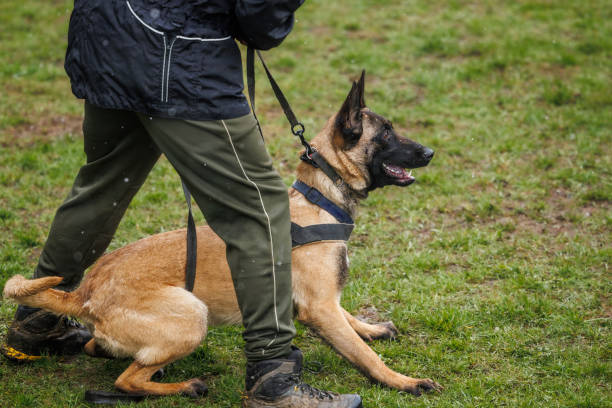
Dog Training for Aggression Techniques That Work
Understanding Aggression in Dogs
Aggression is not always about dominance or a dog being “bad.” In many cases, it’s a communication signal, showing that the dog feels fearful, stressed, or threatened.
Types of Dog Aggression
- Fear-based aggression: Triggered when a dog feels unsafe or cornered.
- Territorial aggression: Directed at strangers entering the dog’s perceived space.
- Resource guarding: Protecting food, toys, or favourite resting areas.
- Social aggression: Poor early socialisation leading to fear or hostility toward people or other animals.
- Pain-induced aggression: When illness, arthritis, or injury makes a dog irritable.
Why Aggression Develops
Some of the most common causes of aggression include:
- Lack of early socialisation
- Past trauma or abuse
- Genetic predisposition
- Punishment-based training
- Anxiety or fear
- Medical problems like thyroid disease
Identifying the cause is the first step in creating an effective dog training for aggression plan.
Why You Should Never Ignore Aggression
Aggression is often a warning sign, not the problem itself. Dogs use growls, snaps, and bites to communicate discomfort. If these signals are ignored—or worse, punished—the aggression may worsen and become unpredictable.
Addressing aggression through safe and proven aggressive dog training strategies allows you to create a calmer, more balanced environment for your dog.
Foundations of Aggressive Dog Training
Safety First
Managing an aggressive dog starts with safety. Use leashes, training muzzles, and barriers to protect people and other pets during the training process. Never force your dog into high-stress situations before they are ready.
Professional Guidance
While some cases can be managed at home, severe aggression should always involve a certified dog trainer or behaviourist. Professional trainers who specialise in dog training for aggression understand how to handle high-risk situations safely and effectively.
Positive Reinforcement
Avoid punishment at all costs. Instead, reward calm and desirable behaviours. Dogs learn faster when they associate good behaviour with positive outcomes such as treats, praise, or play.
Proven Techniques That Work
Desensitisation
Gradually expose your dog to the trigger that causes aggression. Begin with exposure at a distance where the dog remains calm, then slowly reduce the distance as they learn to tolerate the situation.
Example: A dog fearful of strangers might start training by watching strangers from across the street while being rewarded for calm behaviour.
Counter-Conditioning
This technique changes how a dog feels about the trigger. Instead of seeing another dog as a threat, they learn to associate it with something good—like a high-value treat.
Example: Every time another dog walks past, you reward yours. Over time, they begin to anticipate something positive instead of reacting aggressively.
Obedience Training
Commands such as sit, stay, leave it, and come are powerful tools in aggressive dog training. Teaching your dog to listen and focus on you helps redirect their attention away from the trigger.
Practical Tips for Training Aggressive Dogs
- Stay calm—your energy influences your dog’s response.
- Avoid overwhelming situations early in the process.
- Provide daily exercise and mental stimulation to reduce frustration.
- Use puzzle toys, long walks, or obedience drills to release energy.
- Slowly and safely introduce socialisation in controlled environments.
Useful Tools for Aggressive Dog Training
- Muzzles for safe management during training.
- Front-clip harnesses for more control on walks.
- Long training leads to allow safe distance while practicing recall.
- Clickers to reinforce positive behaviours quickly.
These tools are temporary aids but can make dog training for aggression safer and more effective.
The Role of Veterinary Care
Never overlook health-related causes of aggression. A dog in pain may lash out more easily. Schedule a vet check-up to rule out conditions like arthritis, infections, or hormonal imbalances before beginning a behavioural training program.
Common Mistakes to Avoid
- Punishing aggressive behaviour—this suppresses warnings but increases unpredictability.
- Being inconsistent—mixed signals confuse your dog.
- Avoiding professional help—serious aggression cases require expert guidance.
- Isolating the dog completely—lack of exposure worsens fear and anxiety.
Long-Term Mindset for Success
Aggressive dog training is a gradual process. Progress may take weeks or months, depending on the severity and root cause. Some dogs improve drastically, while others may always need careful management.
Consistency, patience, and ongoing reinforcement are the keys to long-term success. The goal isn’t to “fix” aggression overnight, but to create a safer, calmer, and more manageable life for your dog.
Real-Life Transformation Example
Take Bella, a rescue dog who used to growl and snap whenever guests entered the house. With structured dog training for aggression that combined desensitisation, counter-conditioning, and obedience work, Bella now greets visitors calmly at a distance, waiting for treats and praise.
This type of transformation shows that with time, consistency, and the right techniques, aggressive dogs can change.
Conclusion: Building a Peaceful Future
Aggression in dogs is challenging, but it’s not the end of the road. By using proven aggressive dog training strategies, focusing on safety, and reinforcing positive behaviours, you can reduce aggression and create a stronger bond with your pet.
With patience and the right methods, your dog can learn to live without fear and hostility—giving both of you a safer, happier future.
