
Introduction
Bringing home a new puppy is exciting and full of joy. But along with the cuddles and playtime comes one of the most important tasks every dog owner faces—puppy potty training. Teaching your puppy where and when to relieve themselves is not just about protecting your carpets and floors; it’s about building routines, trust, and good habits that will last a lifetime.
If done correctly, potty training your puppy can be a smooth and rewarding process. This guide covers everything from the basics of housebreaking to troubleshooting common problems, so you and your puppy can enjoy a clean, stress-free home.
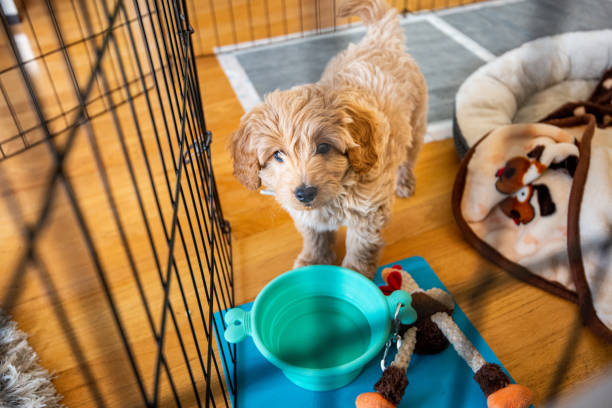
Puppy Potty Training
Why Puppy Potty Training Matters
A puppy’s bladder is tiny, and they have little control in the early months of life. Without proper guidance, accidents are bound to happen. Consistent puppy potty training teaches your dog not only where to go but also builds structure and discipline.
Potty training matters because:
- It prevents damage to furniture and flooring.
- It helps puppies understand household rules.
- It reduces stress for owners.
- It creates a foundation for further obedience training.
Starting potty training early also helps avoid long-term behavioural issues like marking, anxiety, or refusal to go outdoors.
When to Start Potty Training a Puppy
Most puppies are ready to begin potty training as soon as they arrive home, usually around 8 weeks of age. At this stage, they cannot hold their bladder for very long—sometimes only an hour or two. The sooner you start, the faster they will learn.
As a rule of thumb:
- Puppies can hold their bladder for 1 hour per month of age (up to 6 months).
- At 2 months old, expect bathroom breaks every 2 hours.
- At 4 months old, they can usually wait about 4 hours.
Consistency is key during this early stage of puppy potty training.
Essential Supplies for Potty Training
Before you start, gather the right tools to make the process easier:
- Crate: Helps control bathroom breaks and builds bladder control.
- Puppy pads or indoor turf: Useful for apartment living or bad weather.
- Cleaning supplies: Enzyme cleaners eliminate odours and prevent repeat accidents.
- Treats and rewards: Reinforce good potty behaviour instantly.
- Leash: Guides your puppy outdoors consistently.
Having these supplies ready ensures a smoother start.
The Basics of Puppy Potty Training
Set a Schedule
Puppies thrive on routine. Feed, play, and take them outside at consistent times. Common times for potty breaks include:
- First thing in the morning
- After meals and playtime
- Before bedtime
- Every 1–2 hours during the day
Choose a Designated Spot
Take your puppy to the same outdoor area each time. The familiar scent will help them understand it’s the right spot for bathroom breaks.
Use Positive Reinforcement
When your puppy eliminates in the correct spot, immediately reward with praise, treats, or play. This helps them associate the behaviour with positive outcomes.
Supervision is Key
Keep your puppy within sight indoors. If you can’t supervise, use a crate or playpen. Puppies often give signals such as circling, sniffing, or whining before an accident.
Crate Training and Potty Training
Crate training is one of the most effective methods for puppy potty training. Because dogs naturally avoid soiling their sleeping space, a properly sized crate encourages them to hold their bladder until they’re let outside.
Tips for success:
- The crate should be just large enough for your puppy to stand, turn, and lie down—too much space may lead to accidents.
- Never use the crate as punishment.
- Take your puppy out immediately after crate time and reward successful potty trips.
Crate training combined with a regular potty routine creates faster results.
Indoor Puppy Potty Training
For those living in apartments or cold climates, indoor potty options can help. Puppy pads, grass mats, or litter boxes designed for dogs are useful.
To avoid confusion:
- Place pads in the same location consistently.
- Transition gradually from pads to outdoors if that’s your long-term goal.
- Reward your puppy for using pads just as you would outdoors.
Troubleshooting Common Potty Training Problems
Even with the best plan, accidents are part of the process. Here’s how to handle them:
- Frequent accidents indoors: Increase potty breaks and supervise more closely.
- Puppy goes inside after coming back indoors: Stay outside longer, waiting until they finish. Sometimes puppies get distracted.
- Marking behaviour: Spaying or neutering often reduces marking. Consistent training helps too.
- Reluctance to go outdoors: Make trips positive with praise, treats, or play. Avoid forcing or scolding.
Never punish your puppy for accidents. Clean up thoroughly, stay consistent, and reinforce the correct behaviour.
How Long Does Puppy Potty Training Take?
Most puppies take 4–6 months to be fully house trained, though some may need up to a year. Breed, size, and temperament all play a role. Small breeds tend to have smaller bladders and may take longer.
With consistent routines, many puppies show strong progress within a few weeks. Remember—patience and persistence are essential.
Signs Your Puppy is Fully Potty Trained
You’ll know your puppy is housebroken when:
- They consistently go to the door when they need to go out.
- Accidents are rare or nonexistent.
- They can hold their bladder for extended periods.
- They stick to their routine even with minor changes.
At this stage, you can relax but still reinforce good habits to prevent regression.
Advanced Potty Training Tips
Once your puppy masters the basics, you can refine their potty habits:
- Introduce commands: Use phrases like “go potty” or “do your business” for quicker results.
- Expand boundaries: Allow more freedom indoors as they prove reliable.
- Maintain consistency: Even adult dogs benefit from regular bathroom schedules.
The Role of Diet in Potty Training
What goes in affects what comes out. Feeding your puppy on a consistent schedule helps regulate bathroom needs. Avoid free feeding, as unpredictable eating leads to unpredictable bathroom times.
High-quality puppy food also supports healthy digestion, making accidents less frequent.
Puppy Potty Training Mistakes to Avoid
- Inconsistency: Skipping potty breaks or changing routines confuses your puppy.
- Punishment: Scolding after an accident teaches fear, not good habits.
- Not rewarding enough: Puppies need instant positive feedback.
- Leaving too much freedom too soon: Gradually expand your puppy’s space.
- Unrealistic expectations: Remember that young puppies cannot control their bladder for long.
Success Stories
Many owners worry at first, but with dedication, success is inevitable. Take Daisy, a 10-week-old Labrador, who had constant accidents in the living room. By using crate training, a feeding schedule, and positive reinforcement, Daisy was fully housebroken in just 3 months.
Real-life results like these show that with patience, puppy potty training really works.
Conclusion: A Clean Start for a Happy Life
Potty training a puppy may test your patience, but it’s one of the most rewarding parts of raising a dog. With structure, consistency, and plenty of encouragement, your puppy will quickly learn where to go—and you’ll build a foundation of trust and good habits for years to come.
By following the right techniques, using positive reinforcement, and avoiding common mistakes, puppy potty training becomes easier and more successful. Stay consistent, celebrate small wins, and remember—every puppy learns at their own pace.
