
How to Train a German Shepherd
Introduction
German Shepherds are known for their intelligence, loyalty, and versatility, making them one of the most popular dog breeds in the world. Whether you’re training a German Shepherd as a family pet, a working dog, or for advanced tasks like police work, proper training is essential. In this blog post, we’ll discuss breed-specific tips and techniques for training your German Shepherd. With patience and consistency, you’ll be able to create a well-behaved, obedient, and happy dog.
Understanding the German Shepherd Breed
Before we dive into specific training tips, it’s important to understand the characteristics of the German Shepherd. This breed is intelligent, active, and highly trainable. They are natural working dogs, known for their roles in police work, search-and-rescue missions, and as service dogs. German Shepherds are energetic, so they require plenty of exercise and mental stimulation to prevent boredom, which can lead to undesirable behaviors.
Training a German Shepherd involves tapping into their natural intelligence and drive. If you’re looking for effective German Shepherd training, you’ll need to consider their needs and temperament.
German Shepherd Training: Key Considerations
1. Start Early with Socialization
One of the first steps in German Shepherd dog training is early socialization. German Shepherds are protective and can be wary of strangers. It’s important to introduce your puppy to different people, animals, and environments to ensure they grow up to be well-adjusted adults. Socialization helps prevent fear-based aggression and encourages your dog to develop positive behaviors when encountering new situations.
Socializing your German Shepherd includes exposing them to various sights, sounds, and smells. Take them to parks, busy streets, and dog-friendly events. Let them interact with other dogs and people in a controlled manner. This will help your dog feel comfortable in various environments and avoid unnecessary barking or defensive behaviors.
2. Use Positive Reinforcement
German Shepherds respond well to positive reinforcement training. This involves rewarding your dog with treats, praise, or toys when they perform a desired behavior. Positive reinforcement creates a strong bond between you and your dog and motivates them to repeat the good behavior.
When training your German Shepherd, be sure to reward them immediately after they perform the correct behavior. For example, when your dog sits on command, immediately give them a treat and verbal praise. The key to effective German Shepherd training is consistency. By reinforcing good behavior, you’ll help your dog understand what’s expected of them.
3. Leverage Their Intelligence
German Shepherds are highly intelligent dogs, which makes them easy to train. However, their intelligence can also mean they get bored quickly if not challenged. To prevent this, ensure that training sessions are engaging and varied. Incorporate a mix of basic obedience commands, agility exercises, and problem-solving activities to keep their minds sharp.
You can teach your German Shepherd advanced commands, such as “stay,” “come,” “heel,” and “place.” You can also work on tasks like retrieving objects, jumping through hoops, or even participating in advanced agility courses. Their intelligence and eagerness to work make them ideal candidates for these kinds of activities.
4. Establish a Clear Routine
German Shepherds thrive on routine. They are creatures of habit and will do best if they know what to expect from their daily schedule. Establish a clear and consistent training routine, incorporating commands and tasks at regular intervals. Regular training sessions will reinforce desired behaviors and prevent your dog from becoming distracted or disobedient.
Set aside time each day for training, ensuring that your German Shepherd gets plenty of mental and physical exercise. A well-structured routine helps your dog feel secure and confident in their environment.
5. Provide Plenty of Physical Exercise
German Shepherds have high energy levels and need plenty of physical activity to remain healthy and happy. Regular exercise helps release pent-up energy and reduces undesirable behaviors like excessive barking or digging. Incorporating physical exercise into German Shepherd dog training also provides an opportunity to bond with your dog and reinforces your leadership.
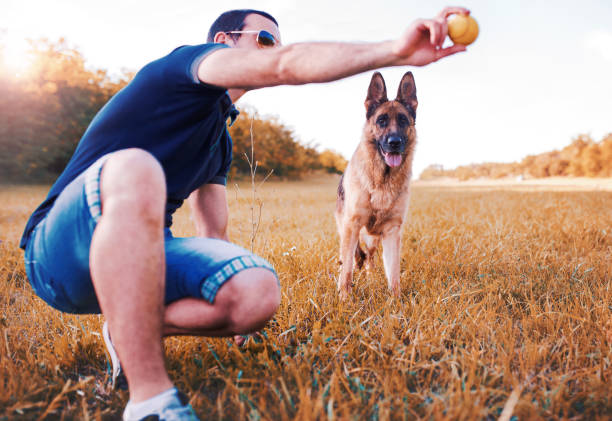
Take your German Shepherd on daily walks, runs, or hikes. Playing fetch or engaging in dog sports like agility or obedience competitions is also a great way to exercise them while reinforcing training.
6. Be Firm and Consistent
While German Shepherds are highly trainable, they also have a strong independent streak. It’s important to establish yourself as the leader in your dog’s life. Be firm and consistent with your commands, setting clear boundaries and expectations. However, avoid being harsh or punitive during training, as this can lead to fear or mistrust.
Use a calm and authoritative tone when giving commands. Ensure that all family members are on the same page regarding training and discipline. This consistency will help your dog understand what’s expected and will make the training process more effective.
7. Address Behavioral Issues Early
German Shepherds are naturally protective and can become possessive of their space or belongings. If not addressed early, these behaviors can escalate and cause problems. Training your dog to respect boundaries, remain calm in stressful situations, and avoid aggressive behavior is crucial for a well-balanced German Shepherd.
If your dog exhibits undesirable behaviors, such as excessive barking, digging, or aggression, address them promptly through training. Consistent positive reinforcement and appropriate correction will help your dog learn the right behaviors.
8. Advanced Training for Working Dogs
German Shepherds excel in various working roles, including search-and-rescue, police work, and service dog training. If you’re training a working German Shepherd, you’ll need to focus on advanced skills and commands. These dogs are incredibly adept at learning complex tasks and can be trained to perform specific jobs, such as detecting drugs, apprehending suspects, or assisting individuals with disabilities.
Advanced German Shepherd training for working dogs often includes scent detection, tracking, and bite work. Working with a professional trainer who specializes in these areas can be beneficial if you plan to train your dog for a specialized role.
Common Training Mistakes to Avoid
While German Shepherd dog training can be very rewarding, there are some common mistakes to avoid:
1. Inconsistent Training
Inconsistent commands, rewards, and rules can confuse your German Shepherd. Be sure that everyone in your household is using the same commands and expectations for the dog.
2. Lack of Mental Stimulation
German Shepherds need mental stimulation to stay engaged. Failing to provide enough challenge can lead to destructive behaviors and a lack of focus during training.
3. Using Harsh Training Methods
Harsh training techniques, such as yelling, physical punishment, or shock collars, can damage the bond between you and your dog. Always use positive reinforcement and reward-based training methods to build trust and encourage good behavior.
Conclusion
Training a German Shepherd requires patience, consistency, and understanding of the breed’s unique needs. By starting early with socialization, using positive reinforcement, and providing plenty of mental and physical stimulation, you’ll create a well-behaved and happy dog. Whether you’re training your German Shepherd for companionship, work, or advanced tasks, the key to success is to make training fun, engaging, and rewarding for your dog.
With the right approach, you’ll not only stop unwanted behaviors but also strengthen the bond you share with your German Shepherd, ensuring a long, rewarding relationship. Follow these German Shepherd training tips, and you’ll have a loyal, well-mannered dog that’s ready to take on anything you ask of them.
