
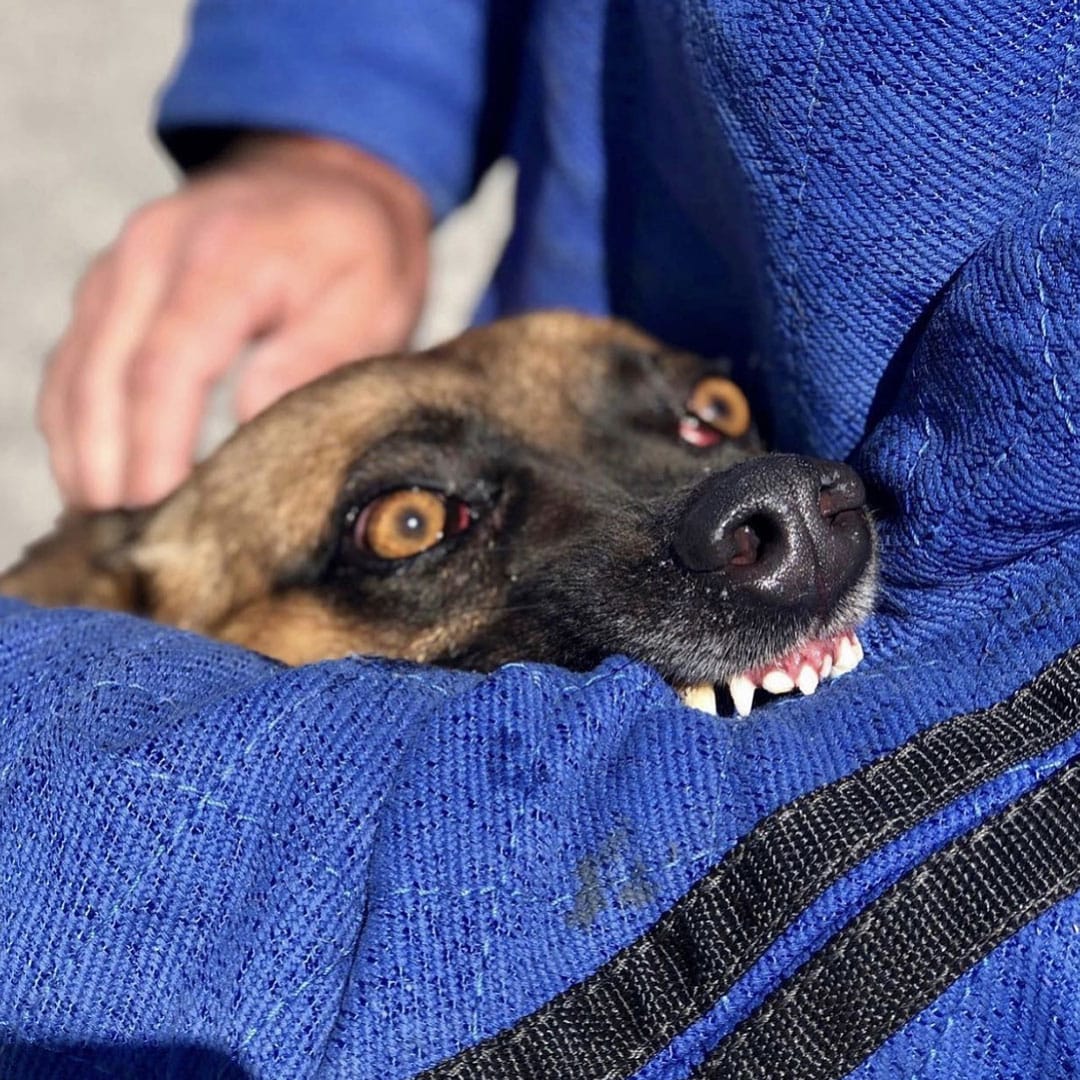
It’s heartbreaking when your dog is scared or anxious around strangers. Whether it’s a fear of new people entering your home or being frightened by strangers outside, dogs with fear of strangers often exhibit behaviors like barking, hiding, or even aggression. While it’s natural for dogs to be cautious, a heightened fear of strangers can lead to behavioral issues and hinder your dog’s ability to feel comfortable in new environments.
Fortunately, overcoming your dog’s fear of strangers is entirely possible with the right approach to dog training. In this comprehensive guide, we’ll explore the reasons behind your dog’s fear, the importance of socialization, and step-by-step strategies to help your dog overcome their fear and build confidence in new situations.
Understanding Your Dog’s Fear of Strangers
Before diving into training techniques, it’s important to understand why your dog might have a fear of strangers in the first place. Dogs, like people, have individual personalities, and their experiences with new people can shape how they react. There are several common causes for dogs’ fear of strangers:
1. Lack of Early Socialization
Puppies are especially impressionable, and the experiences they have during their early months can have a lasting impact. If a puppy has limited exposure to different people, environments, and situations, they may become fearful of anything unfamiliar, including strangers.
2. Negative Experiences with Strangers
If your dog has had a bad experience with a stranger, such as being startled, bullied, or mishandled, they may develop a fear of people. Even a single traumatic event, such as a loud argument or a negative interaction with a delivery person, can leave a lasting impression.
3. Breed Tendencies
Certain dog breeds are naturally more reserved or protective, which can lead to a heightened sense of fear or wariness toward strangers. Breeds like German Shepherds, Chihuahuas, and Shar Peis are more likely to be suspicious of unfamiliar people.
4. Lack of Confidence or Anxiety
Some dogs are more naturally anxious or timid. Dogs with lower confidence levels may feel vulnerable when faced with strangers, resulting in fear or defensive behavior. This can be more common in rescue dogs or dogs with a history of neglect or abuse.
5. Overprotective or Overindulgent Owners
Sometimes, well-meaning owners inadvertently reinforce their dog’s fear of strangers by offering excessive comfort during moments of anxiety. If a dog feels like they’re being “protected” from strangers by their owners, it may reinforce the belief that new people are dangerous. This can make the dog even more fearful.
How to Address Your Dog’s Fear of Strangers: Training Techniques that Work
Now that we understand some of the common causes behind dogs’ fear of strangers, it’s time to explore how to address this behavior. With consistent training and patience, you can help your dog overcome their fear and learn to feel more confident in the presence of new people.
1. Start with Desensitization
Desensitization is a powerful technique for helping dogs become more comfortable with unfamiliar situations, including interactions with strangers. The idea behind desensitization is to gradually expose your dog to strangers in a controlled manner, starting with less intimidating scenarios and gradually building up to more challenging situations.
How to Do It:
- Step 1: Controlled Exposure – Begin by having a friend or family member act as the “stranger.” Start by having them stand at a distance (a few feet away) while your dog is safely on a leash. Reward your dog with praise or treats when they remain calm.
- Step 2: Decrease Distance Slowly – Over several training sessions, have the stranger slowly move closer to your dog. Continue to reward calm behavior. If your dog shows signs of stress (such as growling, barking, or cowering), increase the distance again and allow them time to relax.
- Step 3: Introduce New Strangers – Once your dog is comfortable with one person, introduce new people and repeat the desensitization process. Be patient and ensure each new interaction is positive.
The key to successful desensitization is gradual exposure. Don’t rush the process, and always ensure that your dog’s fear is being addressed in a way that feels safe and non-threatening.
2. Use Counter-Conditioning
Counter-conditioning is a technique that changes your dog’s emotional response to strangers from negative to positive. This involves pairing the presence of a stranger with something your dog loves, such as treats, toys, or playtime.
How to Do It:
- When a stranger enters the room or comes close to your dog, immediately offer a treat or engage in play. This helps your dog associate the presence of strangers with positive experiences.
- Over time, your dog will learn that strangers are not a threat and may even look forward to their arrival due to the associated rewards.
This technique works well in conjunction with desensitization, as it creates a positive association with previously fear-inducing situations.
3. Create Positive Experiences with Strangers
In addition to desensitization and counter-conditioning, it’s important to create positive, low-pressure interactions with strangers. These interactions should be calm, gentle, and stress-free.
How to Do It:
- Ask a friend or neighbor to visit your home regularly and interact with your dog in a relaxed manner. They should ignore your dog at first, allowing the dog to approach at their own pace.
- Allow your dog to sniff the stranger’s hand and observe their body language. Reward your dog for calm, non-aggressive behavior.
- Never force your dog to interact with a stranger. Let them set the pace and gradually build trust over time.
The goal is to provide your dog with new, positive experiences that will help them feel less fearful and more secure around new people.
4. Teach Your Dog to Focus on You
Training your dog to focus on you during moments of anxiety can be a game-changer. This technique helps your dog learn that focusing on you is a rewarding behavior, even when they feel nervous or fearful.
How to Do It:
- Start by teaching the “watch me” command, where your dog looks directly at you when asked.
- Use treats or praise to encourage eye contact and positive engagement. Once your dog can focus on you consistently, you can use this command to redirect their attention when strangers approach.
- In moments of anxiety, say “watch me” to direct their focus away from the stranger and towards you. Reward them with a treat or praise when they comply.
This technique not only helps with dogs’ fear of strangers but also provides your dog with an emotional anchor in stressful situations.
5. Maintain Consistency and Patience
Overcoming fear of strangers takes time and consistency. It’s important to be patient with your dog as they work through their fears. Dogs learn at different rates, and it’s essential to avoid rushing the process.
Be consistent in your training techniques, and make sure everyone in your household follows the same approach. Mixed signals can confuse your dog and hinder progress.
Additional Tips to Help Your Dog Overcome Their Fear of Strangers
Here are a few extra tips that can enhance your dog’s training and help them overcome their fear of strangers more effectively:
- Avoid Punishment: Never punish your dog for fear-related behavior. This can increase their anxiety and worsen the fear of strangers.
- Exercise and Mental Stimulation: Sometimes, fear behavior is exacerbated by excess energy or lack of mental stimulation. Ensure your dog is getting plenty of exercise and interactive play to help reduce anxiety.
- Create a Safe Space: If your dog is particularly scared of strangers, provide them with a safe space where they can retreat to when they feel overwhelmed. This could be their crate, a designated room, or a comfortable corner in your home.
- Socialize Early: If you have a puppy, early socialization is key. Expose them to different people, environments, and situations in a controlled and positive way to help them become well-adjusted.
When to Seek Professional Help
If your dog’s fear of strangers is severe or if their behavior includes aggression or uncontrollable fear, it may be time to seek professional help. A professional dog trainer or behaviorist can assess the situation and provide personalized guidance on how to manage and overcome the fear.
Trainers may use specialized techniques such as behavior modification or desensitization protocols that are more tailored to your dog’s specific needs.
Conclusion
Overcoming dogs’ fear of strangers is a journey that requires time, patience, and consistency. By using positive reinforcement, desensitization, counter-conditioning, and creating positive experiences, you can help your dog become more comfortable and confident around new people. Remember that every dog is different, and what works for one dog may need to be adapted for another.
With love, patience, and the right techniques, your dog can overcome their fear and learn to interact calmly and confidently with strangers. By investing in dog training and focusing on positive reinforcement, you can create a safer, happier environment for both you and your dog.
