
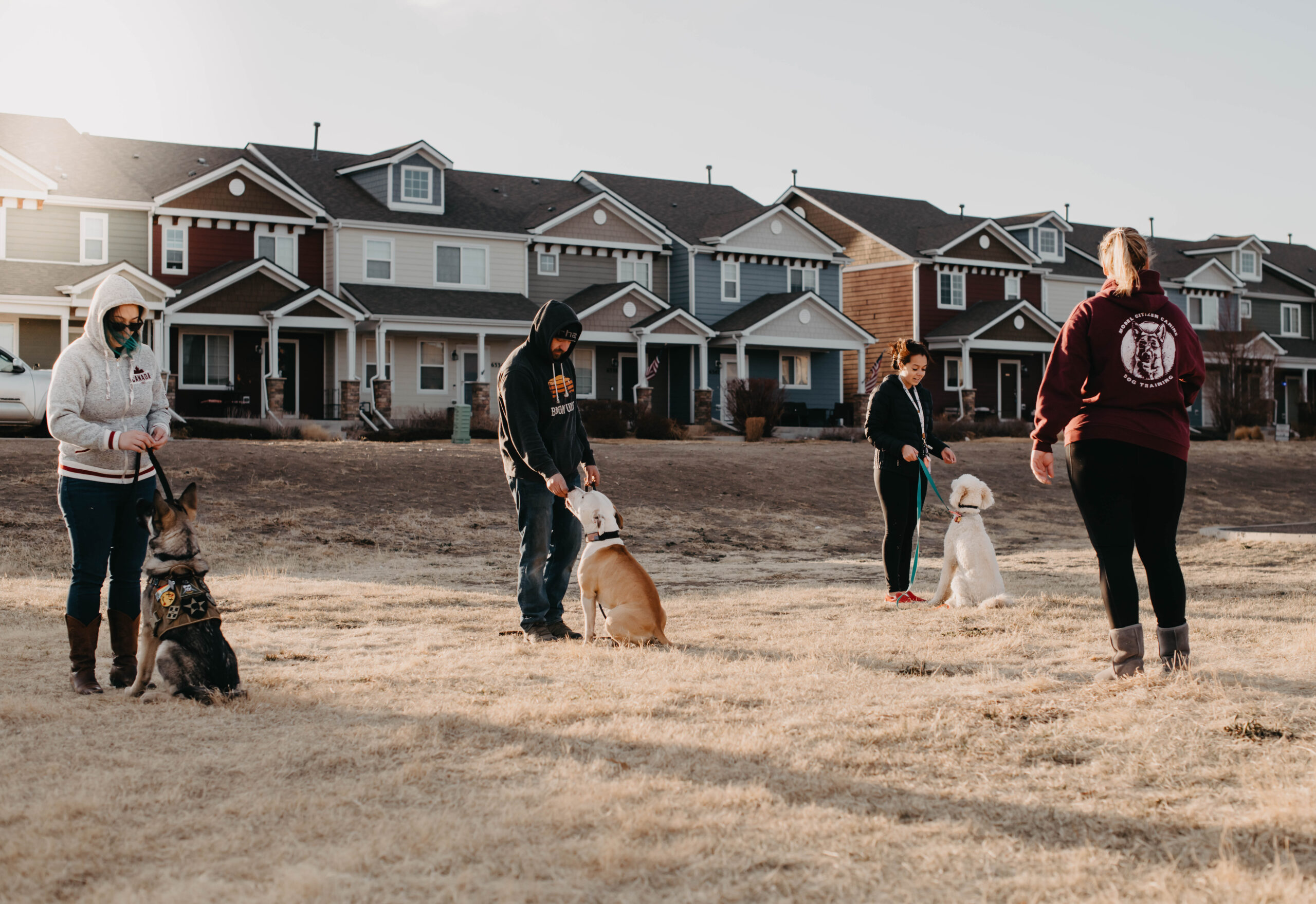
When it comes to dog agility training, many pet owners and trainers often wonder what methods work best to ensure their dog performs at their highest potential. One method that stands out for its effectiveness and ease of use is positive reinforcement dog training. By rewarding desirable behavior, this training technique not only motivates dogs but also strengthens the bond between handler and pet.
In this article, we’ll explore the role of positive reinforcement in dog agility training, how it can transform the learning process, and why it is considered one of the most humane and efficient ways to train dogs.
What is Positive Reinforcement Dog Training?
Positive reinforcement is a concept in dog training where you encourage desired behaviors by providing rewards. Rather than punishing undesirable actions, you focus on reinforcing the behaviors you want to see more of. This can include using treats, toys, praise, or playtime to reward the dog for performing a task or following a command.
In dog agility training, positive reinforcement is incredibly useful. Instead of correcting mistakes harshly, trainers use rewards to guide their dogs through the obstacles and tasks in an agility course. This method not only makes the learning process enjoyable for the dog but also reduces anxiety and fear, leading to faster learning and better results.
Why Positive Reinforcement Works So Well in Dog Agility Training
Dog agility training involves teaching dogs to navigate complex obstacle courses, requiring them to make quick decisions and maintain focus under pressure. Positive reinforcement helps in this regard by providing clear communication between the handler and the dog, making it easier for the dog to understand what behavior is desired.
Here’s why positive reinforcement is so effective in dog agility training:
1. Creates a Positive Association with Agility
Agility training can be challenging for some dogs, especially when they’re first introduced to new obstacles like tunnels, jumps, or weave poles. Positive reinforcement helps dogs associate agility training with good things. Every time they successfully complete a task or obstacle, they’re rewarded with something they enjoy, like a treat or praise.
This positive experience increases the likelihood that the dog will be eager to continue training and will approach future obstacles with confidence.
2. Motivates and Encourages Faster Learning
Dogs naturally perform better when they are motivated. By using positive reinforcement, you tap into your dog’s motivation to please you and receive rewards. Whether it’s a tasty treat or a favorite toy, the reward acts as an incentive, which speeds up the learning process. Dogs are more likely to repeat the behavior if they know they’ll be rewarded afterward.
3. Builds a Stronger Bond Between Dog and Handler
In agility training, communication is key. Positive reinforcement helps build a stronger, trust-based relationship between the dog and the handler. When the dog knows that doing something right will result in a reward, they become more focused on their handler and are more likely to look to them for guidance. This strengthens the teamwork dynamic that is essential in agility training.
4. Reduces Stress and Anxiety in Dogs
Agility training can sometimes be intimidating for dogs, especially if they are put under pressure to perform. Positive reinforcement creates a less stressful environment by focusing on rewards instead of corrections. Dogs are more likely to enjoy the training and feel less anxious, which leads to better performance in the agility course.
5. Promotes Long-Term Behavioral Change
Positive reinforcement isn’t just about getting your dog to perform a task once. It promotes long-term behavioral change because it encourages dogs to repeat desirable behaviors. By rewarding small successes and gradually increasing difficulty, you help your dog build the necessary skills for agility training in a structured and manageable way.
How to Incorporate Positive Reinforcement into Dog Agility Training
Now that we understand why positive reinforcement dog training is so effective, let’s take a look at how to incorporate it into dog agility training.
1. Start with Basic Commands
Before tackling agility-specific obstacles, it’s important to ensure your dog understands basic commands like “sit,” “stay,” and “come.” These commands form the foundation of agility training. Use positive reinforcement to teach these commands first, rewarding your dog every time they respond correctly. Once your dog has a strong foundation, you can move on to agility training.
2. Reward for Correct Responses to Agility Obstacles
As you introduce your dog to agility obstacles, reward them each time they successfully complete a task. For example:
- If they jump over a hurdle correctly, immediately give them a treat or praise.
- If they go through a tunnel, reward them as soon as they emerge on the other side.
The key is to reward them immediately after they perform the desired behavior so they can associate the reward with the specific action.
3. Use a Variety of Rewards
Different dogs are motivated by different things. Some dogs respond better to treats, while others may prefer toys, praise, or playtime. It’s important to observe your dog and figure out what motivates them the most. You can use a mix of rewards, but always ensure that the reward is something your dog finds valuable.
For example:
- Food rewards: These work well for dogs that are food-driven. Use small, high-value treats that your dog doesn’t get during regular training sessions.
- Toys and play: Some dogs prefer a quick game of fetch or tug-of-war after completing an obstacle.
- Praise and affection: Dogs that are highly social may respond best to enthusiastic praise and petting.
4. Keep Training Sessions Short and Positive
Agility training should be fun and engaging for your dog. Long, drawn-out sessions can cause frustration and burnout. Keep training sessions short, about 10-15 minutes, and focus on making each session enjoyable for your dog. If they make a mistake, calmly redirect them and try again. Remember to only reward when the dog successfully completes the task.
5. Gradually Increase Difficulty
As your dog becomes more proficient with the agility obstacles, you can begin to increase the difficulty. Start by adding more challenging elements to the course or introducing speed. You can reward your dog for correctly performing the new tasks, but it’s essential to continue reinforcing their training at every level. The reward should always match the level of difficulty.
6. Correct Mistakes Without Punishment
Mistakes are inevitable, especially in the early stages of training. If your dog makes an error, don’t punish them. Instead, use positive reinforcement to encourage the correct behavior. If they fail to complete an obstacle, calmly guide them back and help them understand what they need to do. When they get it right, reward them to reinforce the correct behavior.
Common Mistakes to Avoid in Positive Reinforcement Dog Training
While positive reinforcement dog training is highly effective, there are some common mistakes that trainers often make. Avoiding these mistakes will ensure that your dog’s agility training is productive and enjoyable.
1. Inconsistent Rewards
One of the most significant mistakes is failing to reward your dog consistently. If you reward them inconsistently, they may become confused about which behaviors are acceptable. Always reward immediately after the desired behavior.
2. Over-rewarding Easy Tasks
It’s important to challenge your dog during agility training, but if you reward them for tasks that are too easy, they may not progress. Gradually increase the difficulty level of the tasks so your dog is always learning and improving.
3. Ignoring Body Language
Dogs are excellent at reading body language, and so should you be when training them. Ensure that your tone of voice, facial expressions, and body posture are consistent with the positive reinforcement you’re offering. This helps your dog understand exactly what you want them to do.
4. Using Too Many Treats
While treats are a great form of positive reinforcement, using too many can lead to weight gain or make your dog reliant on food rewards. Gradually transition to other forms of rewards like praise or playtime, especially once the behavior becomes more consistent.
The Benefits of Positive Reinforcement in Dog Agility Training
Positive reinforcement dog training has numerous benefits, particularly in agility training:
- It helps dogs learn quickly and efficiently.
- It creates a positive, stress-free environment.
- It enhances the bond between you and your dog.
- It encourages focus, speed, and precision.
- It helps prevent behavioral problems and creates a happy, well-adjusted dog.
Conclusion
The role of positive reinforcement in dog agility training cannot be overstated. This method of training not only encourages dogs to perform better but also makes the experience more enjoyable for both dogs and their owners. By using positive reinforcement, you create a happy, confident dog that loves agility training and looks forward to each new challenge.
Start using positive reinforcement today and see how it transforms your dog’s agility skills. Whether you’re a beginner or an experienced trainer, positive reinforcement is the key to unlocking your dog’s full potential in the agility ring.
If you’re ready to get started, remember: training takes patience, consistency, and love. By reinforcing good behavior and making training sessions fun, your dog will not only perform better in agility but will also be more confident, focused, and connected to you. So, go ahead—grab that leash, start rewarding good behavior, and watch your dog’s agility skills soar.
