
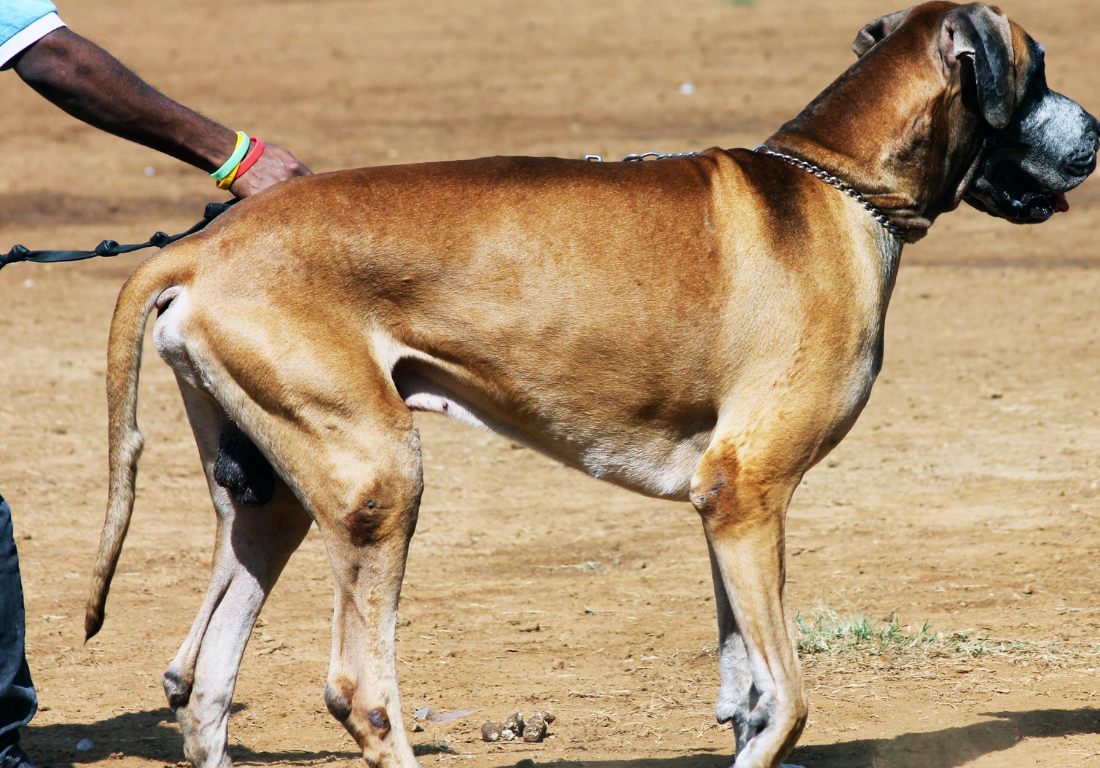
Choosing the right leash for dog training can make the difference between smooth, effective sessions and daily frustration. Many dog owners focus on commands, treats, or training techniques—but overlook one of the most important tools in dog training: the leash.
A leash is more than just a way to keep your dog close. It’s a communication tool, a safety device, and a foundation for teaching obedience, focus, and confidence. In this ultimate guide, you’ll learn exactly how to choose the best leash for dog training based on your dog’s size, behavior, training goals, and experience level.
Whether you’re training a puppy, correcting leash pulling, or working toward off-leash reliability, this guide will help you make the right choice.
Why Choosing the Right Leash for Dog Training Matters
Not all leashes are created equal. A leash designed for casual walks may actually slow down training or create bad habits.
The right leash for dog training helps you:
- Communicate clearly with your dog
- Maintain control without force
- Reinforce calm behavior
- Improve focus and engagement
- Keep both you and your dog safe
Using the wrong leash can cause tension, confusion, frustration, and even injury. That’s why professional trainers put so much emphasis on choosing the correct leash for each training stage.
Understanding the Purpose of a Dog Training Leash
A dog training leash is designed to teach behavior, not just restrain movement.
Unlike fashion leashes or retractable leashes, training leashes prioritize:
- Control
- Feedback
- Safety
- Consistency
A proper leash allows you to guide your dog gently, apply pressure when needed, and release it instantly—helping your dog understand what behavior is expected.
Key Factors to Consider When Choosing a Leash for Dog Training
Before we look at leash types, it’s important to understand what to consider when selecting the best leash for dog training.
1. Your Dog’s Size and Strength
A leash must match your dog’s physical capabilities.
- Small dogs need lightweight leashes
- Large or powerful dogs require strong, durable materials
- Reactive or high-drive dogs need extra control and reliability
A weak leash can snap, while a heavy leash can overwhelm a small dog.
2. Your Dog’s Training Level
Your dog’s experience matters.
- Puppies need simple, lightweight leashes
- Beginner dogs benefit from standard-length leashes
- Advanced training may require long lines
The leash should support where your dog currently is—not where you want them to be.
3. Training Goals
Ask yourself:
- Are you teaching loose leash walking?
- Are you working on recall?
- Are you correcting pulling or reactivity?
- Are you preparing for off-leash reliability?
Different goals require different leash lengths and materials.
Types of Leashes for Dog Training (And When to Use Them)
Let’s break down the most common types of leashes and how they fit into dog training.
Standard 6-Foot Leash: The Best All-Purpose Leash for Dog Training
The 6-foot leash is widely considered the gold standard leash for dog training.
Why Trainers Love It
- Perfect balance of freedom and control
- Ideal for obedience training
- Great for loose leash walking
- Easy to manage in public spaces
This is often the best leash for dog training, especially for beginners.
Best Used For:
- Basic obedience
- Leash manners
- Puppies and adult dogs
- Daily training sessions
Short Leash (4 Feet or Less): Maximum Control
Short leashes offer close control and are commonly used in high-distraction environments.
Benefits:
- Increased safety
- Better control for reactive dogs
- Prevents lunging or jumping
Drawbacks:
- Limited freedom
- Not ideal for teaching recall
Best Used For:
- Crowded areas
- Behavior correction
- Dogs that pull or react strongly
Long Line Leash: Essential for Recall Training
A long line leash (15–50 feet) is one of the most important tools for advanced dog training.
Why It’s Powerful:
- Allows controlled freedom
- Builds reliable recall
- Helps transition to off-leash training
Long lines give dogs room to explore while still keeping them safe.
Best Used For:
- Recall training
- Distance commands
- Confidence building
- Field or open-space training
Slip Leash: Simple, But Requires Skill
Slip leashes combine collar and leash into one loop.
Pros:
- Easy to put on and remove
- Minimal equipment
- Useful for quick handling
Cons:
- Requires correct use
- Not recommended for inexperienced owners
- Can cause confusion if misused
Best Used For:
- Structured training
- Professional handling
- Calm, controlled dogs
Retractable Leashes: Why Trainers Avoid Them
Although popular, retractable leashes are not recommended as a leash for dog training.
Why They’re Problematic:
- Encourage pulling
- Reduce communication
- Delay leash pressure feedback
- Increase injury risk
They teach dogs that tension equals movement, which is the opposite of proper leash training.
Best Leash Materials for Dog Training
Material choice plays a major role in comfort, control, and durability.
Nylon Leashes
Most common leash material
Pros:
- Lightweight
- Affordable
- Available in many lengths
Cons:
- Can burn hands if dog pulls
- Less durable for strong dogs
Best for:
- Puppies
- Beginner training
- Small to medium dogs
Leather Leashes
A professional favorite
Pros:
- Durable
- Comfortable grip
- Improves with age
Cons:
- More expensive
- Requires maintenance
Best for:
- Long-term training
- Strong dogs
- Serious handlers
Rubber-Coated Leashes
Pros:
- Excellent grip
- Weather-resistant
- Strong and durable
Cons:
- Slightly heavier
Best for:
- Large dogs
- Pullers
- Outdoor training
Choosing the Right Leash Length for Dog Training
Leash length directly impacts training success.
4–6 Feet
Best for:
- Obedience training
- Loose leash walking
- Public environments
10–15 Feet
Best for:
- Transitional recall
- Controlled exploration
20–50 Feet
Best for:
- Advanced recall
- Distance training
- Confidence building
Using the correct length prevents confusion and reinforces proper behavior.
Common Leash Mistakes That Hurt Dog Training
Even the best leash for dog training won’t help if it’s used incorrectly.
Mistake 1: Constant Tension
Dogs should learn that a loose leash is the goal. Constant pulling sends mixed signals.
Mistake 2: Using the Same Leash for Everything
Training leashes and casual walking leashes should serve different purposes.
Mistake 3: Wrong Leash for Dog Size
Oversized leashes overwhelm small dogs; weak leashes fail with strong dogs.
How to Hold a Leash Correctly During Training
Leash handling matters just as much as leash choice.
Proper Technique:
- Hold leash with relaxed grip
- Avoid wrapping around your hand
- Keep slack when dog is calm
- Apply pressure only when needed, then release
The leash should act as a guide, not a constant restraint.
Leash for Dog Training by Training Stage
Puppies
- Lightweight nylon leash
- 4–6 feet
- Focus on positive exposure
Adolescents
- Durable 6-foot leash
- Begin impulse control
- Add long line for recall
Adult Dogs
- Match leash to training goals
- Combine standard leash and long line
Can the Right Leash Improve Behavior Problems?
Absolutely.
The correct leash for dog training can help with:
- Pulling
- Reactivity
- Jumping
- Poor focus
- Lack of engagement
A proper leash gives clear, consistent feedback—helping dogs understand boundaries without stress or confusion.
When to Upgrade Your Dog Training Leash
Signs it’s time to change:
- Your dog has outgrown it
- Material is worn or fraying
- Training goals have advanced
- You need more control or freedom
Training evolves—and your leash should too.
Final Thoughts: Choosing the Best Leash for Dog Training
The right leash for dog training is one of the most powerful tools you can own. It supports communication, safety, and learning—making training smoother and more enjoyable for both you and your dog.
Instead of choosing a leash based on looks or trends, choose one based on:
- Your dog’s size and behavior
- Your training goals
- Proper length and material
- Comfort and control
When used correctly, the right leash doesn’t just manage your dog—it helps shape lifelong behavior.
Training starts with connection, and the leash is where that connection begins.
