
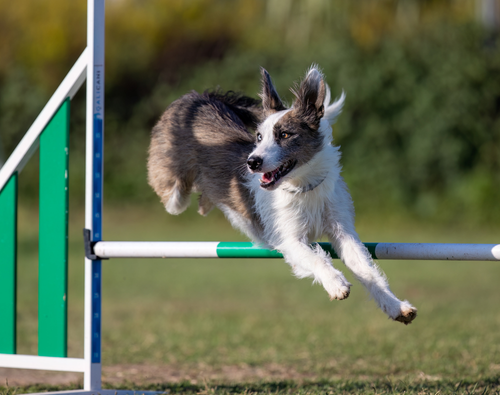
Dog agility training 101 is a fantastic way to engage your dog in an exciting and rewarding activity. Whether you’re looking to build a deeper bond with your dog, increase their physical fitness, or prepare for competitions, agility training is a wonderful option. In this comprehensive guide, we’ll walk you through the basics of dog agility training, the essential equipment, and tips to get started.
What is Dog Agility Training?
Dog agility is a fast-paced sport where dogs navigate through an obstacle course within a set time. It tests your dog’s ability to respond to commands while showcasing their speed, focus, and coordination. Dog agility training 101 involves teaching your dog how to maneuver through various obstacles such as jumps, tunnels, weave poles, and more.
The sport is not only fun for dogs but also offers a range of benefits, including:
- Physical fitness: It helps improve your dog’s strength, coordination, and stamina.
- Mental stimulation: Agility training enhances your dog’s problem-solving skills and focus.
- Bonding: It fosters a stronger relationship between you and your dog, as you work together as a team.
Why Should You Start Dog Agility Training?
Dog agility training 101 is a highly engaging activity that provides numerous benefits for both the dog and their owner. Here are some compelling reasons why you should start agility training:
1. Mental and Physical Exercise
Agility training is a combination of both mental and physical exercise for your dog. Dogs need to think quickly while navigating the course, and it’s a great way to prevent boredom and anxiety.
2. Improved Obedience
Agility training requires excellent communication between you and your dog. As you practice commands such as “sit,” “stay,” and “come,” your dog learns to follow instructions more effectively.
3. Increased Confidence
For shy or anxious dogs, agility training can boost their confidence. It teaches them that they can succeed in new situations and face obstacles head-on, which can transfer to other areas of their lives.
4. Fun and Bonding Time
Dog agility training is a fun way to bond with your dog. You work together to complete the course, and the rewarding experience strengthens your relationship.
Getting Started with Dog Agility Training 101
If you’re new to agility training, it’s essential to take it step-by-step. Here’s how you can begin:
1. Assess Your Dog’s Readiness
Before diving into agility training, it’s important to evaluate if your dog is ready for the challenge. Consider these factors:
- Age: Agility training is suitable for dogs of all ages, but puppies and older dogs may need a more gradual approach.
- Health: Ensure your dog is in good physical health. Speak to your vet if you have concerns.
- Temperament: Dogs with a high energy level and eagerness to learn tend to excel in agility training.
2. Start with Basic Obedience Training
Before introducing agility-specific obstacles, it’s crucial to have a solid foundation in basic obedience. Ensure your dog is comfortable with commands like “sit,” “stay,” “come,” and “heel.” These will help you effectively communicate with your dog during agility training.
3. Introduce Agility Equipment Slowly
When starting agility training, don’t rush into complex obstacles. Begin with easy and low-impact equipment, such as:
- Jump bars: Start with low jumps to get your dog accustomed to leaping over bars.
- Tunnels: Use a short tunnel to help your dog learn to enter and exit.
- Weave poles: Introduce the concept of weaving through poles with simple exercises.
Gradually increase the difficulty and speed as your dog becomes more comfortable and confident with each obstacle.
4. Keep Sessions Short and Fun
Dogs learn best when they’re having fun. Keep training sessions short—around 10-15 minutes per session—and always end on a positive note. This will prevent your dog from getting frustrated or overwhelmed.
5. Use Positive Reinforcement
Positive reinforcement is a key aspect of dog agility training. Reward your dog with treats, praise, and toys when they successfully navigate an obstacle or follow a command. This will encourage them to continue learning and enjoying the process.
Common Dog Agility Obstacles and How to Train for Them
In dog agility training 101, there are several key obstacles that you’ll encounter in agility competitions. Here’s a breakdown of some common obstacles and how to train your dog to master them:
1. Jumps
The jump is one of the most fundamental obstacles in agility training. Start with low jumps and gradually increase the height as your dog becomes more confident. Here’s how to teach your dog:
- Begin by leading your dog over a low jump using a leash and treats.
- Once your dog successfully clears the jump, praise and reward them.
- Gradually increase the height of the jump as they become more skilled.
2. Tunnels
Tunnels can be a bit intimidating for some dogs. To help your dog get comfortable with tunnels:
- Start with a short, straight tunnel and encourage your dog to enter by using treats or a favorite toy.
- Gradually increase the length of the tunnel as your dog gets more confident.
3. Weave Poles
Weaving through poles is a challenging obstacle that requires precision and coordination. To teach your dog to weave:
- Begin with the poles spaced wide apart.
- Lead your dog through the poles using treats, ensuring they follow the correct path.
- Gradually bring the poles closer together as your dog gets better at weaving.
4. A-Frame
The A-frame is a classic agility obstacle that requires your dog to climb up and down a steep incline. To train your dog:
- Start with a low A-frame and encourage your dog to climb up using treats.
- Once they’re comfortable, gradually increase the incline.
5. Dog Walk
The dog walk involves your dog walking across a narrow platform. To train for this obstacle:
- Begin by encouraging your dog to walk across a low, wide platform.
- Gradually increase the height and narrowness of the platform as your dog gains confidence.
Advanced Dog Agility Training
Once your dog has mastered the basics, you can move on to more advanced agility training. This may include:
- Timed courses: Set up a full agility course and time your dog to see how fast they can complete it.
- Handling skills: Work on your handling skills to direct your dog more effectively during the course.
- Distance handling: Train your dog to navigate obstacles from a distance without your direct guidance.
1. Advanced Handling Techniques
Advanced handling techniques involve guiding your dog through the course using specific body movements, such as:
- Front Cross: Moving in front of your dog to change their direction.
- Rear Cross: Moving behind your dog to change their direction.
- Blind Cross: Changing direction without your dog seeing your movement.
2. Course Sequencing
As your dog becomes more skilled, you can set up more complex courses that require them to navigate several obstacles in a sequence. This helps improve their focus, speed, and precision.
Dog Agility Training Tips for Success
To make the most of your dog agility training 101 experience, here are some helpful tips:
1. Stay Consistent
Consistency is key in dog agility training. Practice regularly, and be patient with your dog as they learn new skills. Repetition helps your dog understand what’s expected of them.
2. Gradually Increase the Difficulty
Start with simple obstacles and gradually increase the complexity as your dog becomes more proficient. Pushing your dog too quickly can lead to frustration and setbacks.
3. Celebrate Small Wins
Celebrate every success, no matter how small. Whether your dog successfully navigates their first tunnel or clears their first jump, each achievement is worth celebrating.
4. Take Breaks
Training can be physically and mentally demanding for both you and your dog. Be sure to take regular breaks to prevent burnout and keep training fun.
5. Join a Dog Agility Class
If you’re serious about agility training, consider joining a dog agility class. Professional trainers can offer personalized guidance and help you and your dog progress faster.
Conclusion: Start Your Dog Agility Training Journey Today!
Dog agility training 101 is an exciting and rewarding journey for both you and your dog. It’s a fantastic way to bond, build your dog’s confidence, and provide them with mental and physical exercise. By starting with the basics, using positive reinforcement, and being patient, you can help your dog develop into an agile and well-behaved companion.
Whether you’re looking to compete or simply want to have fun with your dog, agility training offers something for everyone. So grab a leash, set up some obstacles, and get started on your dog agility training 101 adventure today!
