
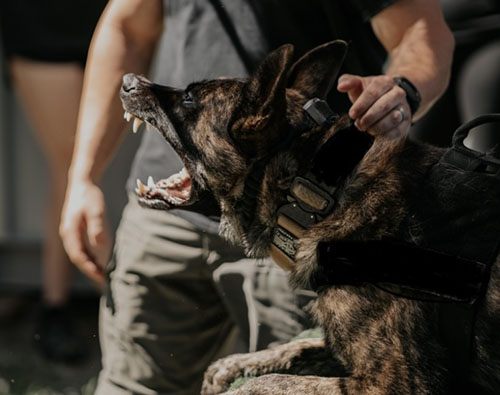
Tracking & Protection Dog Training: Preparing Your Dog for Real-World Tasks
Dogs have been loyal companions to humans for thousands of years, offering not only companionship but also invaluable skills in a variety of fields. Among these skills, tracking and protection are two of the most highly sought-after abilities, especially for those involved in law enforcement, search and rescue, and personal protection. Training dogs for tracking and protection tasks is an intricate and highly specialized process that requires patience, consistency, and a clear understanding of the dog’s natural instincts and abilities.
In this comprehensive guide, we’ll dive deep into tracking dog training and protection dog training, exploring how these dogs are prepared for real-world tasks, their importance, and the key elements involved in training them.
The Role of Tracking Dogs
Tracking dogs are highly trained animals that can follow a scent trail left by a person or object. Their exceptional sense of smell allows them to track even the faintest scent, making them invaluable in various situations such as search and rescue missions, criminal investigations, and finding lost individuals.
Key Traits of Tracking Dogs
- Impeccable Sense of Smell: A dog’s sense of smell is between 10,000 to 100,000 times more sensitive than humans. This incredible ability allows tracking dogs to follow scent trails over great distances, even in challenging environments.
- Determination and Drive: Tracking dogs are selected for their high prey drive and determination. These traits make them persistent, ensuring they remain focused on the task at hand despite distractions.
- Calm Demeanor: While tracking dogs need energy and drive, they must also have a calm demeanor, as over-excitement can interfere with their ability to focus on the task.
Types of Tracking Dog Training
Tracking dog training is divided into different levels, and each stage serves a specific purpose in preparing the dog for real-world tasks.
- Basic Scent Training: Initially, tracking dogs are trained to recognize and follow a specific scent, usually human scent. Trainers will use items such as clothing or footwear worn by a person to create a scent trail. The goal is to teach the dog to follow this trail over various terrain types.
- Increasing Difficulty: As the dog’s skills improve, the trainer will increase the complexity of the scent trails. This might involve using more difficult surfaces (e.g., concrete or asphalt) or introducing distractions along the way (e.g., other animals, people, or vehicles).
- Advanced Tracking: In advanced training, dogs are expected to track scents over longer distances, with multiple twists and turns. They are also trained to differentiate between fresh and aged scent trails, which is crucial in real-world applications.
Real-World Applications for Tracking Dogs
Tracking dogs play a critical role in a variety of real-world tasks, such as:
- Search and Rescue: These dogs are instrumental in locating missing persons, whether lost in the wilderness, buried under debris after a natural disaster, or involved in a criminal case.
- Law Enforcement: Tracking dogs assist in locating suspects and evidence, as they can follow a trail left by an individual who has fled a crime scene.
- Military Use: Military units use tracking dogs to locate enemies, explosives, and contraband, offering a strategic advantage in the field.
- Private and Personal Use: Tracking dogs are also utilized by private individuals for personal protection and to track down lost pets or valuables.
The Importance of Protection Dogs
Protection dogs are trained to protect their owners or handlers from potential threats, such as intruders or attackers. Unlike tracking dogs, protection dogs are often trained for defensive purposes, using their strength and protective instincts to secure their environment and loved ones.
Key Traits of Protection Dogs
- Confidence and Courage: Protection dogs must exhibit confidence in themselves and their abilities. They are often trained to assess threats independently and react accordingly.
- Socialization and Bonding: A protection dog must form a strong bond with its handler, as this trust and understanding are crucial when responding to threats. Dogs that lack socialization may struggle to distinguish between real danger and harmless situations.
- Control and Obedience: A protection dog must be well-trained in obedience, as this is essential for controlling their behavior when they are called upon to protect. A dog with too much aggression or that cannot be controlled can pose a risk to its handler or innocent bystanders.
Types of Protection Dog Training
Protection dog training is designed to teach a dog to respond to certain cues from its handler, whether that’s to ward off an intruder or physically engage with a perceived threat.
- Basic Obedience and Socialization: Before a dog can be trained for protection, it must have strong basic obedience skills. This includes commands like sit, stay, heel, and recall. Socialization is equally important, as it helps the dog learn how to behave in various social situations without overreacting.
- Defensive Training: In this phase, dogs are taught to respond to simulated threats. Trainers will use controlled scenarios, such as a stranger approaching or an intruder entering the home, to train the dog to react defensively.
- Aggression Control: While protection dogs need to be capable of defending their handlers, they must also learn when not to attack. Control over their aggression is vital to ensuring the dog only responds when necessary.
- Advanced Protection and Real-World Training: In the final phase, protection dogs are exposed to real-world scenarios to test their training. This might include situations where they must protect their handler from a variety of threats, such as during a home invasion or while walking in public spaces.
Real-World Applications for Protection Dogs
Protection dogs serve a variety of real-world purposes, especially in high-risk environments where personal safety is a priority:
- Personal Security: Many individuals, particularly those in high-risk professions (e.g., CEOs, celebrities, and public figures), use protection dogs to ensure their safety from physical harm or kidnapping.
- Law Enforcement and Military: Police and military units rely on protection dogs to guard sensitive areas, apprehend suspects, and provide security in potentially dangerous situations.
- Home Protection: Families also use protection dogs to safeguard their homes against break-ins, as these dogs offer an additional layer of security that technology alone cannot provide.
Combining Tracking and Protection: A Dual-Purpose Dog
Some dogs are trained in both tracking and protection tasks, making them dual-purpose working dogs. These dogs are highly specialized, combining the skills of locating and apprehending suspects with the ability to protect their handler in potentially dangerous situations.
How Dual-Purpose Dogs Are Trained
Dual-purpose dogs undergo extensive training in both tracking and protection skills. These dogs need to balance the focus required for tracking with the alertness and aggression control needed for protection. The training process is complex and demanding, requiring trainers to carefully manage the dog’s natural instincts and energy levels.
Real-World Uses for Dual-Purpose Dogs
Dual-purpose dogs are particularly useful in law enforcement and military operations, as they offer a wide range of skills in one package. These dogs can track a suspect’s scent and apprehend them if necessary, providing a comprehensive solution to various types of situations.
Training Techniques and Tools for Tracking and Protection Dogs
Successful tracking and protection dog training require the right tools, environment, and methodology. Here’s a look at some of the key training techniques and equipment used for these highly specialized tasks.
Equipment for Tracking Dogs
- Leashes and Harnesses: Specialized leashes and harnesses are used to give the handler control over the dog while it is tracking. These tools must be sturdy and comfortable for the dog to wear over extended periods.
- Scent Articles: Items such as clothing, shoes, or personal belongings are often used to create scent trails for tracking dogs. These scent articles help the dog learn how to follow a specific person’s scent.
- Tracking Collars: GPS tracking collars are commonly used for advanced training, allowing handlers to monitor the dog’s progress and track their movements in real time.
Equipment for Protection Dogs
- Bite Sleeves: Bite sleeves are used during training to teach the dog to bite and release on command. These sleeves are designed to simulate the experience of apprehending a suspect while protecting the trainer from injury.
- Training Suits: Protective suits worn by trainers allow them to safely simulate real-world attack scenarios. These suits provide the dog with the opportunity to practice in a controlled yet realistic environment.
- Protection Harnesses: These harnesses help the dog control the amount of force used when engaging in protection work. They are crucial for preventing injuries to the dog and the handler.
Conclusion: Preparing Your Dog for Real-World Tasks
Whether you are training a tracking dog to assist in search and rescue operations or a protection dog to secure your home and family, the training process is a journey that requires dedication, patience, and expertise. Both tracking and protection dog training involve specialized techniques, equipment, and a deep understanding of a dog’s natural instincts.
As these dogs are prepared for their real-world tasks, they become invaluable assets to their handlers, providing services that enhance safety, security, and the ability to solve problems in challenging environments. By investing in the right training, tools, and techniques, you can ensure your dog is ready to take on the tasks they were born to do—whether it’s tracking down a lost person or protecting you from harm.
If you’re ready to embark on the path of training a tracking or protection dog, remember that consistency and proper guidance are key. Your dog’s success in real-world tasks depends on the foundation you build through thoughtful, methodical training.
