
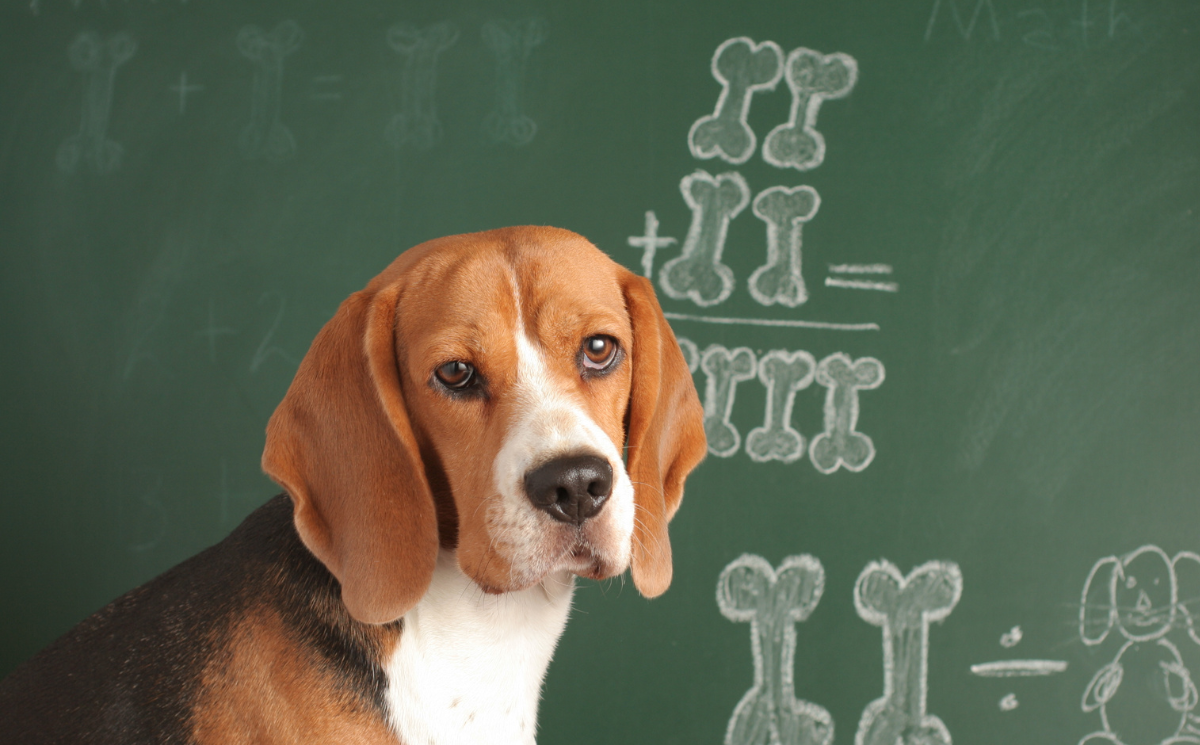
Bringing a puppy into your home is an exciting experience, but it also comes with its challenges. Proper puppy training not only helps in shaping your dog’s behavior but also strengthens the bond between you and your furry friend. Whether you’re in Oklahoma or anywhere else, learning the basics of puppy training from day one can lead to a lifetime of good behavior and happy moments. In this blog post, we will guide you through essential puppy training techniques, including basic obedience for puppies and crate training tips to raise a well-behaved dog.
Why Puppy Training Is Essential
Training your puppy early is crucial for several reasons. First, puppies are in their most impressionable stage of life, which means they are quick to learn and adapt to new behaviors. By starting training early, you ensure that your puppy learns the right behaviors before bad habits can form.
Puppy training also enhances communication between you and your pet. It establishes boundaries and ensures that your dog knows what is expected of them in various situations. Additionally, a well-trained puppy grows into a more confident and calm dog, making life much easier for both of you.
1. Puppy Training in Oklahoma: Getting Started
When it comes to puppy training in Oklahoma, finding the right environment and approach is key. The best puppy training methods focus on positive reinforcement, patience, and consistency. Here are a few steps to get started:
Choose the Right Training Class
If you’re looking for puppy training in Oklahoma, start by researching local trainers or puppy classes. Look for trainers who use positive reinforcement techniques and have experience with your puppy’s breed. A good class will provide a structured environment for your puppy to learn basic commands, socialize with other dogs, and understand the expectations you set.
Create a Routine
Puppies thrive on routines. By feeding, exercising, and training your puppy at the same time each day, they will become familiar with the structure, which helps with their behavior. Routine also helps with potty training and crate training, two key areas of early puppy development.
2. Basic Obedience for Puppies: Key Commands Every Puppy Should Know
Basic obedience training for puppies is essential, as it forms the foundation for more advanced training and ensures your puppy behaves well in social and family settings. Here are a few basic commands that every puppy should learn:
Sit
“Sitting” is one of the first commands puppies should learn, and it’s easy to teach. Use treats as rewards and give the command while gently pushing down on your puppy’s back end to help them understand the motion. Once they sit, immediately reward them with a treat and praise.
Stay
The “stay” command is useful for controlling your puppy when you need them to remain in one place. Start with a short duration and gradually increase the time as they get the hang of it. You can also add a hand gesture, like an open palm, to reinforce the command.
Come
The “come” command is vital for calling your puppy back to you when they are off-leash. Begin by calling your puppy’s name in a happy, energetic voice and reward them when they come to you. Always make the experience positive so they associate the command with rewards.
Leave It
“Leave it” is an important command to teach your puppy when they are tempted to chew or approach something they shouldn’t. Hold a treat in your hand, close your fist around it, and give the “leave it” command. Once your puppy stops trying to get the treat, reward them with praise and a different treat.
3. Crate Training Tips: Helping Your Puppy Feel Comfortable
Crate training is a highly effective way to keep your puppy safe and secure while providing them with a designated space to relax. Here are some crate training tips to make the process easier:
Start Slowly
Introduce your puppy to the crate gradually. Place treats and toys inside to encourage your puppy to explore it. Don’t force them in; let them enter on their own terms. Make the crate a positive experience by associating it with rewards and comfort.
Create a Positive Association
Use the crate as a place where your puppy gets treats, meals, and playtime. Never use the crate as a form of punishment. You want your puppy to see the crate as a cozy, safe spot where they can relax.
Use the Crate for Short Periods
When you first begin crate training, keep your puppy inside the crate for short periods of time. Gradually increase the duration as your puppy gets more comfortable with the crate. This will help them adjust without feeling anxious or overwhelmed.
Nighttime Crating
For the first few nights, keep your puppy’s crate close to your bed so they can hear your voice and feel secure. Over time, you can gradually move the crate to a different part of the house once your puppy is comfortable sleeping in it.
Potty Breaks
If your puppy needs to go potty during the night, take them outside immediately after waking up. Young puppies have small bladders and need frequent breaks. This routine will help establish good potty habits from the beginning.
4. Socialization: An Important Part of Puppy Training
Socializing your puppy is an essential part of puppy training. Early socialization helps your puppy learn to interact with people, other dogs, and new environments in a calm and friendly manner. Here’s how to approach socialization:
Meet New People
Introduce your puppy to a variety of people, including men, women, children, and elderly individuals. The more your puppy interacts with different people, the more confident they will become in various situations.
Interact with Other Dogs
It’s important for puppies to learn appropriate dog-to-dog behavior. Arrange playdates with other vaccinated dogs to let your puppy practice socializing and playing in a controlled environment.
Exposure to New Environments
Take your puppy to different places—parks, pet stores, or even just around the block. This exposure helps them become accustomed to new sights, sounds, and smells, which is especially important for puppies in Oklahoma who might face new experiences as they grow.
5. Positive Reinforcement: The Power of Praise and Rewards
Positive reinforcement is the most effective way to train your puppy. This method encourages good behavior by rewarding your puppy with treats, praise, or playtime. Here are some ways to incorporate positive reinforcement into your training:
Use Treats
Treats are a great way to reward your puppy for following commands or demonstrating good behavior. Use small, tasty treats that your puppy loves, but don’t overdo it—balance treats with praise and affection to keep them motivated.
Praise and Affection
Along with treats, verbal praise and physical affection are powerful motivators. Use a cheerful tone of voice and give your puppy lots of love when they perform the desired behavior. This will help reinforce the connection between good behavior and positive outcomes.
Avoid Negative Reinforcement
Punishing your puppy for mistakes can be harmful to their development and can damage your relationship. Instead, focus on rewarding desired behaviors and redirecting undesirable ones. If your puppy makes a mistake, calmly guide them back on track.
6. Common Puppy Training Challenges and How to Overcome Them
While puppy training is rewarding, it can also come with challenges. Here are some common issues you may face during the training process and how to handle them:
Chewing
Puppies love to chew, especially when they are teething. To prevent damage to furniture and shoes, provide them with chew toys and give them a firm “no” when they chew on inappropriate items. Redirect them to their toy and praise them when they chew the right things.
Jumping Up
Puppies often jump up to greet people, but this behavior can be irritating. To stop this, avoid giving attention when they jump. Wait until they are calm and sitting, then reward them with praise or treats. Consistency is key in curbing this behavior.
Potty Training Accidents
Accidents are normal, but it’s important to act quickly when they happen. Clean the area thoroughly to avoid scent-marking, and take your puppy outside frequently, especially after eating, drinking, or playing.
Conclusion
Training your puppy is an ongoing process that requires patience, consistency, and positive reinforcement. By starting early with basic obedience for puppies, crate training, and socialization, you’ll lay the groundwork for a well-behaved dog that’s a joy to have around. Remember, every puppy is different, so be patient and make training a fun, rewarding experience for both you and your puppy.
If you’re looking for professional puppy training in Oklahoma, consider seeking help from a local expert who can guide you through the training process. With the right guidance, you’ll raise a happy, well-behaved dog that will be a loving companion for years to come.
