
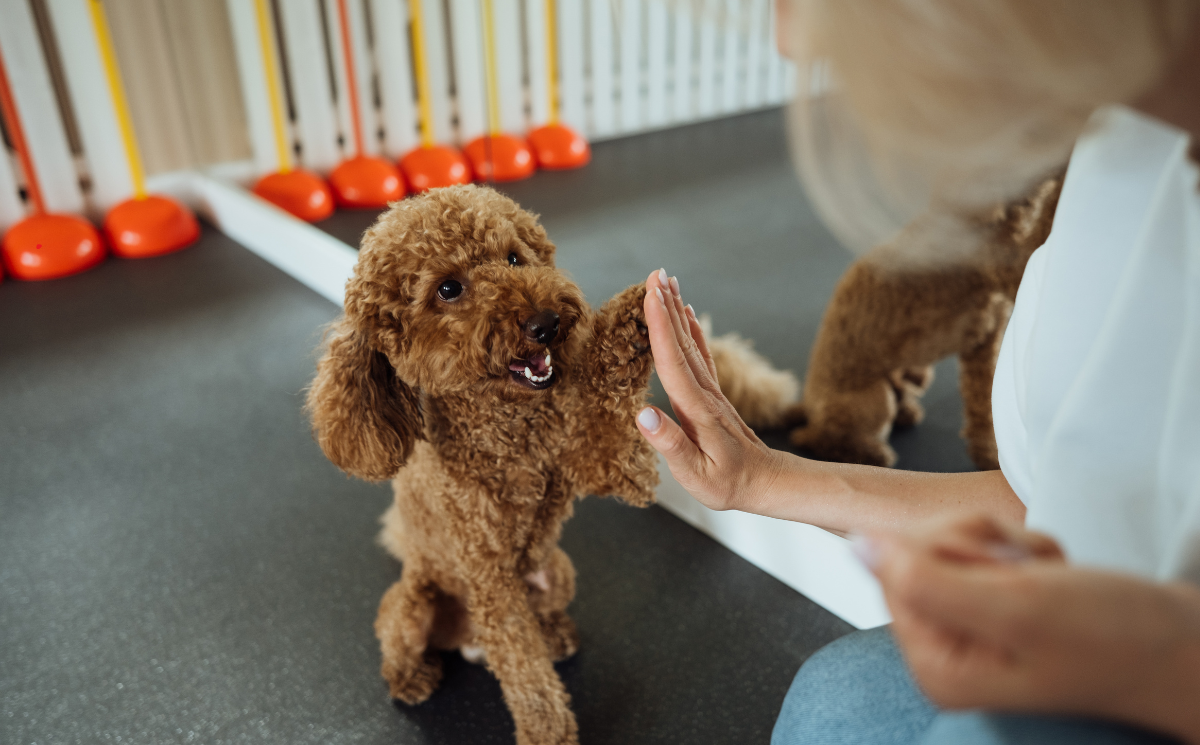
Bringing a new puppy into your home is an exciting time, but with it comes the responsibility of house training. Housebreaking a puppy can seem like a daunting task, but with the right techniques and a little patience, your puppy will learn quickly and effectively. Whether you’re in Tulsa, Oklahoma, or anywhere else, this guide will show you professional techniques for potty training a puppy and housebreaking tips to make the process faster and easier.
Why House Training a Puppy Is Important
House training is one of the first things you’ll want to focus on when bringing your new puppy home. Potty training is not only about keeping your home clean but also about teaching your puppy essential skills that will help them feel safe and comfortable in their new environment. A well-trained puppy can avoid accidents in the house, minimize stress for both you and your pet, and help you build a strong relationship based on trust and understanding.
1. Potty Training a Puppy Tulsa: Getting Started
Potty training a puppy in Tulsa is no different from training puppies anywhere, but knowing a few local factors can help. For example, if you’re in a colder climate or experiencing harsh weather conditions, you may need to adjust your potty training routine to accommodate your puppy’s needs.
Consistency is Key
When it comes to potty training, consistency is essential. Take your puppy outside at regular intervals, especially after meals, naps, or playtime. Puppies typically need to go potty every 2-3 hours, so make sure to give them plenty of opportunities to relieve themselves.
Create a Designated Potty Spot
Establish a designated potty area outside. Always take your puppy to this spot so they can associate the location with potty time. Be sure to praise and reward them when they go potty in the right place. This will help reinforce the behavior.
Use Positive Reinforcement
Positive reinforcement is a powerful tool in potty training. When your puppy goes potty in the right place, praise them enthusiastically and offer them a treat. This encourages them to repeat the behavior in the future. Consistent rewards help them connect their actions to positive outcomes.
Watch for Signs
Learn to recognize when your puppy needs to go outside. Puppies may start sniffing, circling, or heading toward the door. When you see these signs, immediately take them outside to their designated potty spot.
2. Housebreaking Tips: Overcoming Common Challenges
Housebreaking your puppy is a gradual process that requires patience and consistency. Here are some housebreaking tips that will help you avoid common mistakes and train your puppy faster:
Supervise Your Puppy
When your puppy is inside, keep a close eye on them to prevent accidents. Use a leash or keep them in a confined space where you can easily watch them. If you can’t supervise them directly, consider using a crate or a puppy pen as a safe and controlled area.
Establish a Potty Schedule
Setting a schedule for potty breaks will help your puppy understand when it’s time to go outside. Puppies are creatures of habit, so taking them out at the same times each day will establish a routine they can follow. Be sure to take your puppy out first thing in the morning, after meals, before bedtime, and after play sessions.
Clean Accidents Thoroughly
Accidents happen, especially during the early stages of house training. If your puppy has an accident indoors, it’s crucial to clean the area thoroughly to eliminate any lingering smells. Puppies may return to the same spot if they smell their previous urine. Use an enzymatic cleaner specifically designed to remove pet odors.
Never Punish Your Puppy
Avoid punishing your puppy for accidents. This can create fear and confusion and can make house training more difficult. Instead, focus on redirecting them to the proper potty area when accidents occur, and continue rewarding positive behavior.
3. Crate Training Puppies Oklahoma: A Vital Tool for Housebreaking
Crate training is one of the most effective methods for housebreaking puppies in Oklahoma. A crate provides a safe, controlled environment for your puppy when you can’t supervise them directly. It also takes advantage of your puppy’s natural instincts and encourages them to keep their sleeping area clean.
Start Slowly
Introduce your puppy to the crate gradually. Place treats and toys inside to make the crate a positive place for your puppy. Initially, leave the door open so they can go in and out freely. As they get used to it, you can start closing the door for short periods of time.
Use the Crate for Housebreaking
Crate training is helpful for housebreaking because puppies instinctively avoid soiling their sleeping area. When you’re not able to supervise your puppy, place them in their crate with a bed or blanket, ensuring it’s just large enough for them to stand, turn around, and lie down comfortably.
Take your puppy outside to their designated potty spot as soon as you let them out of the crate. If they’ve been in the crate for a while, chances are they’ll need to relieve themselves.
Gradually Increase Crate Time
As your puppy becomes more comfortable with their crate, you can gradually increase the amount of time they spend in it. Be sure to always take them outside immediately after they’re released from the crate, so they can relieve themselves.
Avoid Using the Crate for Punishment
It’s important not to use the crate as a form of punishment. The crate should be a positive, safe space for your puppy. If your puppy associates their crate with punishment, they may become fearful of it, making house training more difficult.
4. Tips for Faster Housebreaking
While housebreaking takes time, there are a few ways you can speed up the process:
Limit Access to the House
During the initial stages of housebreaking, limit your puppy’s access to the house. Keep them in a smaller area with easy access to their potty spot. As they get the hang of potty training, you can gradually increase the space they have access to.
Set Up a Feeding Schedule
Feeding your puppy at the same time each day will help regulate their potty schedule. Try to feed them twice a day, in the morning and evening, so you can predict when they’ll need to go outside.
Use Training Pads as a Temporary Solution
If you’re unable to take your puppy outside right away or if you live in an apartment, you can use potty pads as a temporary solution. While they can be useful in certain situations, it’s important to eventually transition your puppy to going outside to avoid confusion.
5. What to Do if Housebreaking Isn’t Going as Planned
Despite your best efforts, some puppies may take longer to house train than others. If your puppy isn’t progressing as expected, consider the following:
Consult a Professional Trainer
If you’re struggling with housebreaking or crate training, it may be helpful to consult a professional dog trainer. They can offer personalized advice and tips based on your puppy’s needs and your training progress.
Stay Consistent
Consistency is key. Continue to stick to the same potty training routine and housebreaking schedule. Over time, your puppy will start to understand what’s expected of them.
Be Patient
Remember that housebreaking takes time. Puppies are still learning about the world around them, and accidents are part of the process. Stay patient and continue reinforcing positive behavior, and your puppy will eventually catch on.
Conclusion
House training your puppy may seem challenging, but with the right techniques and professional tips, you can make the process faster and easier. Potty training a puppy in Tulsa, housebreaking tips, and crate training puppies in Oklahoma are all essential components of raising a well-behaved dog. By staying consistent, using positive reinforcement, and providing your puppy with the right tools, you’ll have a happy, house-trained puppy in no time.
If you’re in Tulsa or Oklahoma and need extra help with housebreaking or puppy training, don’t hesitate to seek professional assistance. With the right guidance, you can raise a well-behaved and confident dog who will be a loving companion for years to come.
