
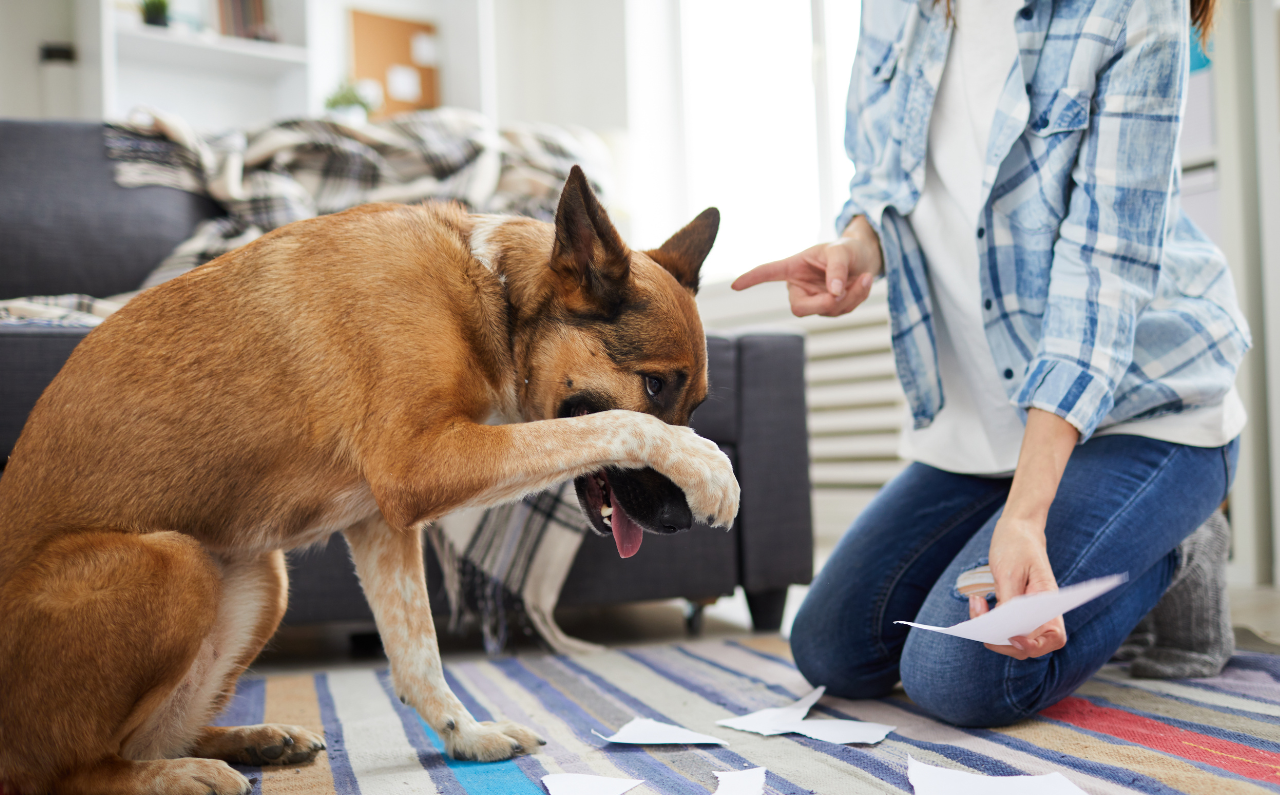
Every dog owner dreams of having a well-mannered, happy, and obedient companion—but the reality is, most dogs will display unwanted behaviours at some point in their lives. Whether it’s barking at every noise, lunging on leash, guarding toys, or showing signs of aggression, behavioural challenges can quickly turn into daily stress for both you and your pet.
Fortunately, most behaviour problems are manageable—and even completely fixable—with the right knowledge, consistency, and support. In this guide, we’ll explore the most common dog behaviour problems, why they happen, and how effective dog behavior modification in Tulsa can help turn things around. We’ll also talk about specialized solutions like aggressive dog training in Tulsa and dog training for reactivity, so you can take steps toward a better-behaved, more balanced pup.
1. Aggression Toward People or Other Dogs
Aggression is one of the most serious and misunderstood dog behaviour issues. It can take many forms, including growling, snapping, biting, lunging, or posturing. Dogs may become aggressive out of fear, anxiety, resource guarding, frustration, or territorial instincts.
Unaddressed, aggression can escalate and pose safety risks to your family, visitors, and other animals. It’s essential to identify the root cause of the aggression, which is where professional support becomes vital.
If you’re dealing with these challenges, investing in aggressive dog training in Tulsa is a responsible and effective choice. Certified trainers can assess your dog’s behaviour, design a plan based on their specific triggers, and use positive, science-based techniques to build trust and reduce aggression over time.
2. Reactivity on Leash
Leash reactivity is a very common issue—your dog sees another dog or person and suddenly starts barking, lunging, or pulling uncontrollably. This behaviour is often mistaken for aggression, but it’s usually rooted in overstimulation, fear, or frustration.
Dogs that are reactive on leash can make daily walks stressful and unpredictable. But with the right dog training for reactivity, you can teach your dog how to remain calm and focused, even in high-stress situations.
Reactivity training typically involves desensitization (gradually exposing your dog to their triggers in controlled settings) and counterconditioning (teaching new, positive associations). The goal is to shift your dog’s emotional response from fear or frustration to calm confidence.
3. Excessive Barking
Dogs bark—that’s part of how they communicate. But if your dog barks excessively at every sound, guest, delivery, or passing car, it may be a sign of boredom, anxiety, or alertness gone into overdrive.
Fixing excessive barking begins with understanding the cause. Are they bored? Try increasing physical and mental stimulation. Are they anxious? Create a safe space and reduce triggers. Is it territorial barking? Use structured training to teach alternate behaviours like “quiet” or “place.”
A customized dog behavior modification Tulsa program can help address the root issue behind chronic barking and establish calmer communication patterns.
4. Jumping on People
A jumping dog might seem cute when they’re a puppy—but once they’re full-grown, it can be a safety hazard. Dogs jump to seek attention, greet people, or express excitement. Unfortunately, many owners reinforce this behaviour without meaning to—by petting or speaking to their dog when they jump up.
To fix it, consistency is key. Teach your dog that calm greetings earn rewards, while jumping gets ignored. Ask for an incompatible behaviour like “sit” every time you come through the door or meet someone new. Over time, your dog will learn that sitting gets them what they want—your attention.
5. Separation Anxiety
Separation anxiety occurs when dogs panic at being left alone. Signs include pacing, whining, destructive chewing, accidents indoors, or even self-injury. It’s distressing to watch—and exhausting to manage.
This issue isn’t about disobedience; it’s about fear. Dogs with separation anxiety need gentle, gradual desensitization. Start by leaving for short periods and increasing the duration over time. Pair absences with something positive, like a stuffed Kong or puzzle toy. Avoid making a big fuss when you leave or return.
For moderate to severe cases, professional behaviourists or dog behavior modification Tulsa specialists can help design a step-by-step program that builds your dog’s confidence and independence.
6. Resource Guarding
Does your dog growl or stiffen when you approach their food, toys, bed, or even a person they’re attached to? That’s resource guarding—a natural but potentially dangerous behaviour if left unchecked.
Dogs guard because they fear losing something valuable. The fix isn’t to punish the growl—it’s to change how they feel about your presence near their resource. This is done through counterconditioning: approach the resource, drop a high-value treat, and walk away. Repeat gradually until your dog starts seeing you near their stuff as a good thing.
If resource guarding involves snapping or biting, it’s best to involve a trainer skilled in aggressive dog training in Tulsa who can safely guide the process.
7. Pulling on the Leash
Dogs naturally want to move faster than we do, and pulling can become a habit that’s reinforced every time it gets them where they want to go. Walking a dog that pulls is not only frustrating—it can be physically exhausting.
Training your dog to walk nicely on a loose leash takes patience and consistency. Try the “stop and go” method—if your dog pulls, you stop walking. When the leash relaxes, you resume. Or use treats to reward your dog for walking beside you in the correct position.
Private sessions focused on dog behavior modification in Tulsa can help tailor leash training to your dog’s specific distractions and needs.
8. Digging and Chewing
Destructive digging or chewing is often a sign of boredom, stress, or lack of appropriate outlets. Puppies chew to explore the world and relieve teething pain. Adult dogs might dig out of instinct, frustration, or to escape.
To fix these behaviours, you’ll need to offer alternatives and manage the environment. Provide chew-safe toys, rotate enrichment activities, and supervise outdoor time. If your dog digs in a specific spot, consider creating a designated “dig pit” filled with toys or treats.
Behavioural issues like compulsive digging or destructive chewing when alone may be linked to anxiety or under-stimulation—areas a behaviour specialist in Tulsa can address.
9. Inconsistent Recall
If your dog comes when called in the backyard but ignores you at the park, you’re not alone. Reliable recall takes time to build—and it’s one of the most essential commands for safety.
Start recall training in a low-distraction environment using a long leash. Use high-value rewards and make “come” the most exciting word in your dog’s vocabulary. Avoid using it to call your dog for things they don’t like (e.g., nail trims, bath time), or they’ll begin to associate it with negative outcomes.
Private sessions can focus on off-leash training and advanced recall, especially if you’re dealing with a reactive dog that struggles in stimulating environments.
10. Mounting or Humping
Mounting isn’t always sexual—it can also be a sign of overstimulation, excitement, or even stress. If it becomes frequent or directed at people or other dogs, it can lead to social issues or tension.
Redirect the behaviour as soon as it starts. Teach an alternative cue like “sit” or “leave it” and reward calm behaviour. Consistent boundaries and increased mental enrichment can help reduce mounting overall.
For dogs that mount due to frustration or anxiety, professional dog behavior modification Tulsa programs can help address the underlying causes.
Why Working with a Professional Matters
While some issues can be handled at home with consistency and patience, others require a professional touch. Behaviour problems—especially aggression and reactivity—can worsen without the right guidance.
That’s why working with a certified trainer or behaviour expert trained in dog training for reactivity or aggressive dog training in Tulsa can make all the difference. A professional can:
- Identify the root causes of the behaviour
- Develop a customized training plan
- Use safe, force-free techniques that build trust and clarity
- Monitor progress and adjust strategies as needed
If your dog’s behaviour feels overwhelming, you don’t have to navigate it alone. A skilled trainer will not only support your dog—but empower you as an owner, giving you the tools to maintain lasting change.
Choosing the Right Dog Training in Tulsa
Not all training programs are created equal. When searching for help, look for trainers who specialize in behaviour modification, use evidence-based methods, and offer transparency in their approach. The best Tulsa trainers will take time to understand your dog’s personality and history, and tailor their services accordingly.
Look for programs that include:
- One-on-one behaviour consultations
- Customized reactivity or aggression plans
- Ongoing support and progress tracking
- A focus on building confidence and cooperation
Whether your dog needs help with leash manners, fear-based behaviours, or serious aggression, choosing the right trainer in Tulsa is the first step toward a happier, healthier relationship.
Final Thoughts: Building Better Behavior, One Step at a Time
All dogs have quirks—but when behaviours begin to disrupt daily life or create safety concerns, it’s time to take action. With professional guidance, patience, and consistency, even the most challenging behaviours can be managed or completely resolved.
Whether you’re dealing with leash reactivity, resource guarding, or intense barking, there’s help available. With personalized support from Tulsa-based experts in dog behavior modification, you and your dog can rebuild your relationship and enjoy a more peaceful life together.
Remember, your dog isn’t giving you a hard time—they’re having a hard time. And with the right training and understanding, you can be their guide to a calmer, more confident life.
Need help with a specific behaviour issue? Reach out today to learn more about customized dog behavior modification Tulsa programs, aggressive dog training Tulsa services, or one-on-one dog training for reactivity that’s designed around your dog’s unique needs.
