
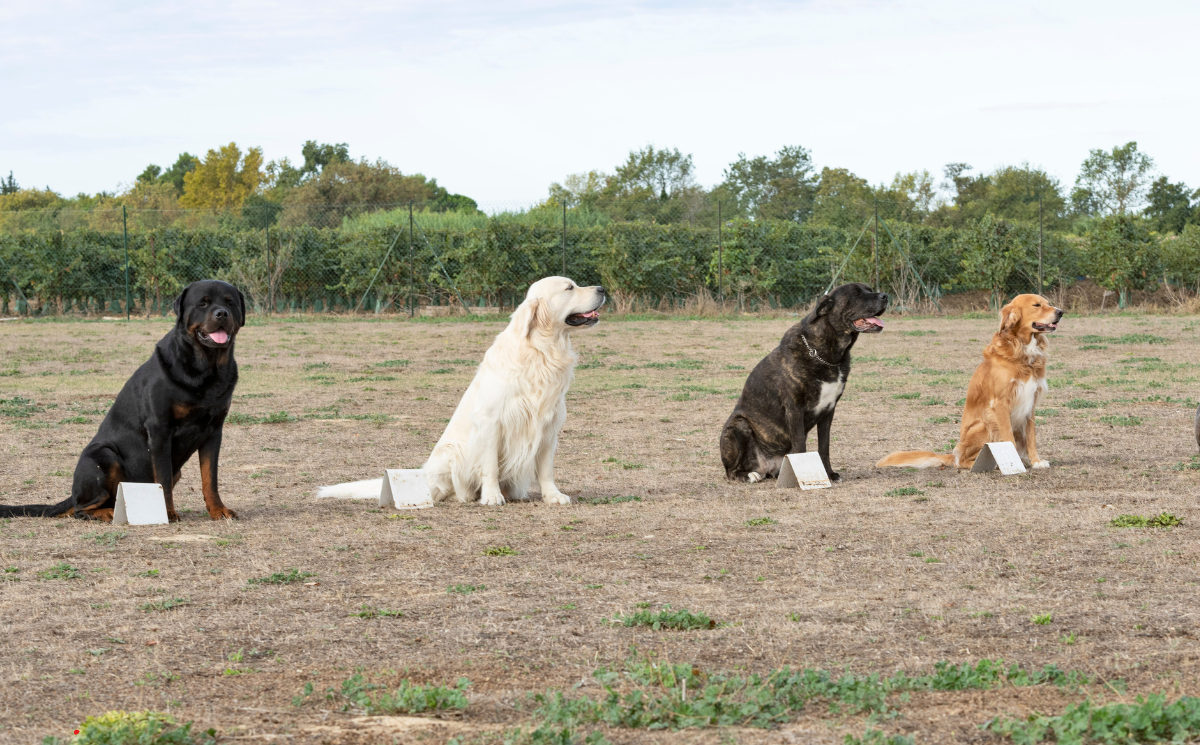
Training your dog is a journey that never truly ends. From basic commands like sit and stay to more advanced skills such as off-leash control, dog training is a constant evolution. For those looking to take their dog’s obedience to new heights, advanced dog obedience training is the way to go.
Torchlight K9 is here to guide you through the steps of refining your dog’s skills. Whether you want to prepare for obedience trials, enhance your dog’s off-leash abilities, or simply build a stronger bond with your canine companion, advanced obedience training will help you reach your goals.
In this comprehensive guide, we’ll cover advanced dog obedience techniques, focusing on off-leash control, obedience trial preparation, and everything in between.
Why Advanced Obedience Training?
Before we dive into the techniques and strategies, let’s take a moment to understand why advanced obedience training is important for both dogs and their owners.
Advanced training isn’t just about teaching your dog to perform complicated tricks or commands. It’s about refining the basics they’ve already mastered, building a deeper relationship, and creating a dog that’s not just obedient but responsive, focused, and well-mannered.
Here are a few reasons to consider advanced obedience training:
- Improved communication: Advanced obedience training helps you and your dog communicate effectively. It lays the foundation for more complex commands and enhances your dog’s responsiveness.
- Off-leash control: Many owners want their dogs to be well-behaved off-leash, whether for hiking trips, outdoor adventures, or just a safe backyard experience.
- Obedience trial preparation: If you’re aiming for the competitive obedience world, advanced training is crucial for passing trials and competitions.
- Bond strengthening: Working closely with your dog through advanced training strengthens your bond, creating a trusting and harmonious relationship.
Now, let’s explore some of the advanced dog obedience techniques that can take your dog’s skills to the next level.
Key Components of Advanced Dog Obedience Training
1. Building on Basic Commands
It all starts with a solid foundation. If your dog is still in the early stages of training, ensure they have mastered basic commands like sit, stay, down, and come before progressing to more advanced skills.
Mastering Attention and Focus
One of the first things you will want to address in advanced obedience is improving your dog’s attention and focus. For off-leash control or obedience trial preparation, your dog must be highly focused on you, ignoring distractions and maintaining strong eye contact.
- Pro Tip: Use high-value treats or toys to keep your dog engaged during training sessions. Practice in environments with various distractions to mimic real-world scenarios.
Advanced Sit, Stay, and Down
Your dog should not only sit and stay but also be able to hold these positions for extended periods, even when distractions are present. Work on increasing the duration and distance between you and your dog when giving these commands.
- Increasing Duration: Start by having your dog hold a sit or down for just a few seconds, then gradually increase the duration. Add some distractions to the mix and see how your dog handles them.
- Distance and Distractions: Practice sending your dog to a specific spot, having them sit or lie down from a distance. Introduce distractions, such as other people or animals, and gradually increase the difficulty level.
2. Off-Leash Control: A Must for Advanced Obedience
One of the most challenging aspects of advanced obedience is off-leash control. It requires patience, consistency, and a lot of practice.
Training Recall: Come When Called
The recall is perhaps one of the most important commands for off-leash training. Whether your dog is running free at the park or hiking in the woods, being able to call them back to you is essential for safety.
- Pro Tip: Practice recall in a controlled environment at first. Once your dog consistently comes when called, gradually increase the distance and add distractions. Use a long leash or a harness to start with for safety.
Off-Leash Heel
Another critical skill for off-leash control is the heel command, where your dog walks by your side without pulling on the leash. The goal is for your dog to stay in position regardless of environmental distractions.
- The “Loose-Leash” Heel: Start by practicing the heel with a leash. Once your dog learns the position, begin practicing off-leash. Ensure your dog stays focused on you as you walk, rewarding them when they maintain proper form.
- Reducing the Need for Leash Guidance: As you progress, try to gradually reduce the guidance of the leash, making sure your dog stays in position even without physical contact.
3. Obedience Trial Preparation
If you’re preparing for obedience trials, there are specific elements that require focused training. Obedience trial preparation can be rigorous, but it’s incredibly rewarding for both you and your dog.
The Importance of Precision
Obedience trials are all about precision and consistency. Your dog will be judged on how accurately they follow commands, their response times, and their overall demeanor. To prepare for this, you’ll need to practice your commands with pinpoint accuracy, ensuring that your dog responds immediately and correctly to each one.
- Understanding the Trial Routine: Each obedience trial has specific rules and routines that need to be mastered. You’ll need to practice the individual components of the trial, such as the heeling patterns, retrieves, and recalls.
Socialization and Distractions
In obedience trials, distractions will be present, and your dog must remain focused on you. Socializing your dog with different environments, sounds, and people will help them get used to the trial atmosphere.
- Practicing in Crowded or Noisy Environments: Take your dog to public parks, busy streets, or dog-friendly events to expose them to various distractions. The more they can handle these situations calmly, the better they’ll perform during a trial.
4. Balanced Training in Advanced Obedience
Just like basic obedience training, Balanced Training is key in advanced training. This approach ensures that your dog enjoys the process, stays motivated, and learns faster.
- Pro Tip: Use a mix of treats, praise, and play to reward good behavior. Timing is crucial—reward your dog immediately after they perform the desired action.
5. Problem Solving: Tackling Behavioral Issues
Even advanced dogs can encounter challenges during training. It’s essential to address behavioral issues as they arise and solve them before they hinder progress.
Anxiety or Fear-Based Behaviors
Some dogs may experience anxiety or fear during training, especially in new environments. To address this, slowly introduce your dog to different settings, rewarding them for calm behavior.
- Counter-Conditioning: If your dog is fearful of certain situations (like loud noises), try counter-conditioning techniques. Gradually expose them to the feared stimulus while rewarding calm behavior to help them re-associate it with positive experiences.
Overcoming Distractions
In an advanced obedience setting, distractions are inevitable. Whether it’s another dog, a car, or even a squirrel, your dog should be able to ignore distractions and stay focused on the task at hand.
- Gradual Distraction Training: Start by introducing minor distractions and gradually work your way up to more significant ones. Ensure your dog’s focus remains on you through consistent practice and Balanced Training.
The Torchlight K9 Approach to Advanced Obedience Training
At Torchlight K9, we specialize in advanced obedience training for dogs of all breeds and skill levels. Our approach is rooted in patience, consistency, and Balanced Training, and we tailor each training plan to suit the individual needs of both dog and owner.
Our Training Programs
We offer a variety of training programs that focus on everything from basic obedience to preparation for obedience trials. Our off-leash training programs are particularly popular, as they help owners achieve full control over their dogs, even in the most challenging environments.
- Private Lessons: If you prefer one-on-one attention, our private lessons are perfect for addressing specific challenges or advancing your dog’s skills.
- Group Classes: For a more social learning experience, our group classes offer the chance for your dog to practice with others, reinforcing their ability to focus amid distractions.
- Obedience Trial Coaching: For those aiming for competition, we offer specialized coaching that prepares your dog for obedience trials, ensuring they are trial-ready.
Conclusion
Advanced obedience training is the next logical step for any dog owner who wants to build a stronger, more responsive relationship with their dog. Whether you’re aiming to improve off-leash control, prepare for obedience trials, or simply refine existing skills, Torchlight K9 offers expert guidance and training programs that help you achieve your goals.
Training isn’t just about teaching commands—it’s about building a bond based on trust, understanding, and mutual respect. Let us help you and your dog take your relationship to the next level with our comprehensive advanced dog obedience training programs.
