
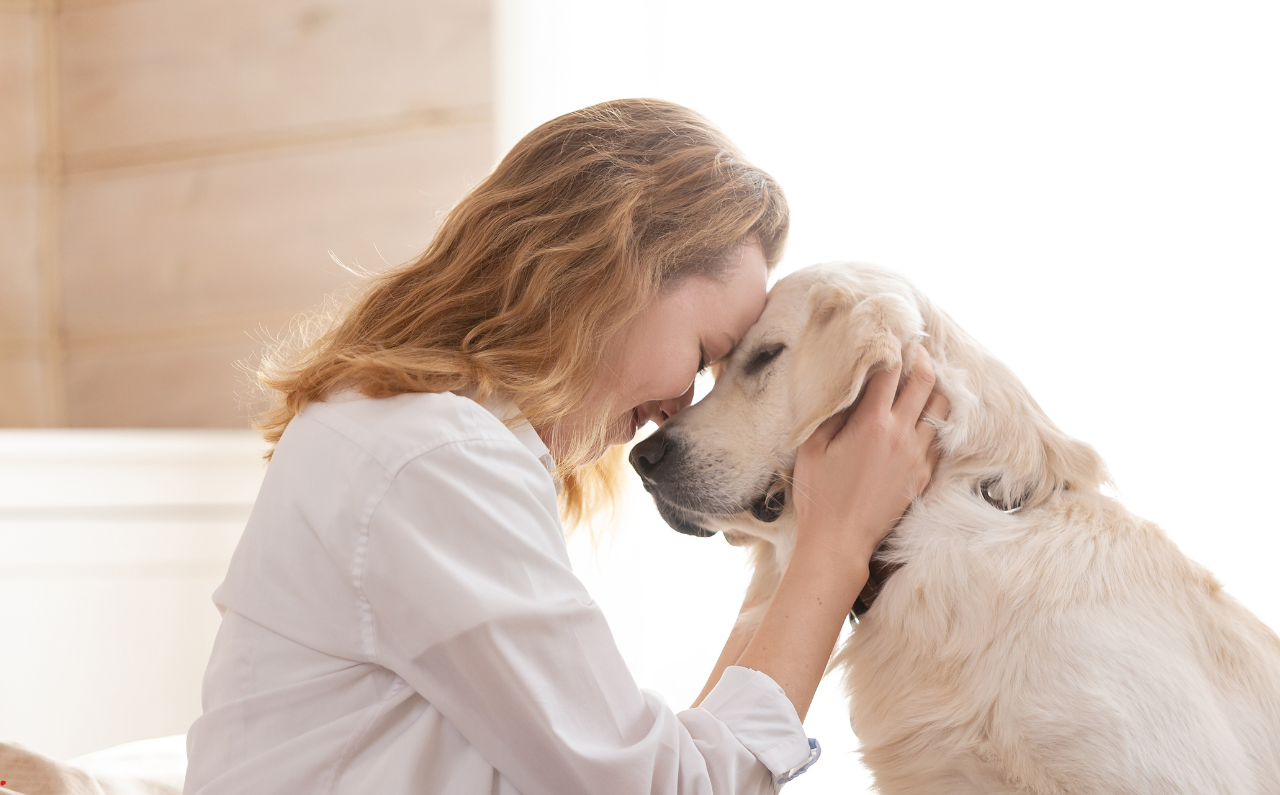
If you’re a dog owner, you already know the deep bond you share with your furry friend. Dogs offer unconditional love, companionship, and endless joy. However, there’s a common but challenging issue that many dog owners face—separation anxiety. If you’ve noticed your pet acting out when you’re away, it might be time to consider professional help through dog separation anxiety training. This comprehensive guide will help you understand dog anxiety, identify its signs, explore effective separation anxiety solutions, and provide essential dog anxiety tips to help your pup feel secure, calm, and happy even when alone.
What Exactly Is Dog Separation Anxiety?
Dog separation anxiety is more than just a mild inconvenience; it’s a behavioural condition where a dog experiences extreme distress when separated from their owner or caregiver. This isn’t simply a case of misbehaviour or stubbornness—your pet genuinely feels fear and panic when left alone. Understanding this is the first step toward compassionate and effective treatment.
Separation anxiety can affect dogs of any age, breed, or background. Recognizing it early is key to managing and resolving it effectively.
Identifying the Signs of Dog Separation Anxiety
Before seeking solutions, it’s essential to identify if your dog genuinely suffers from separation anxiety. Here are some common symptoms to watch for:
1. Excessive Barking or Howling
Continuous barking, howling, or whining when you leave the home is a common indicator of anxiety.
2. Destructive Behaviours
If you come home to find furniture chewed, walls scratched, or belongings destroyed, your dog might be suffering from separation anxiety.
3. Urinating or Defecating Indoors
Dogs with separation anxiety often have accidents inside the house—even when fully housetrained.
4. Escape Attempts
Persistent attempts to escape, including clawing at doors and windows, indicate extreme distress.
5. Excessive Drooling, Panting, and Pacing
Physical signs such as excessive drooling, shaking, and pacing indicate a highly stressed state.
6. Overexcitement Upon Your Return
If your dog becomes excessively excited or overly clingy when you return, it may signal underlying anxiety issues.
Recognizing these symptoms early and accurately helps you seek timely and effective separation anxiety solutions.
Why Do Dogs Develop Separation Anxiety?
Understanding why your dog is anxious helps you address the root cause, not just symptoms. Common reasons include:
1. Sudden Routine Changes
Dogs thrive on consistency. Changes in schedules, household moves, or new family members can trigger anxiety.
2. Past Experiences or Trauma
Dogs adopted from shelters or rescues, especially those abandoned or mistreated, often carry emotional scars that can lead to separation anxiety.
3. Overattachment
Dogs heavily reliant on their owners for security often struggle when left alone, feeling vulnerable and unsafe.
Effective Separation Anxiety Solutions You Can Try
Fortunately, there are several proven strategies and practical dog anxiety tips that can ease separation anxiety:
1. Gradual Desensitization
This method involves slowly exposing your dog to brief periods of alone time and gradually increasing the duration. Begin with just a few minutes, incrementally extending the separation time over days and weeks, helping your dog learn to cope.
2. Creating a Calm Environment
Offer a comfortable, safe space filled with familiar items like favourite toys or blankets carrying your scent. A calming environment reduces stress and promotes relaxation.
3. Establish Predictable Routines
Dogs feel safer with predictable routines. Maintain regular feeding, walking, and playtimes to reduce uncertainty and anxiety.
4. Mental and Physical Stimulation
Regular exercise and mental enrichment through puzzle toys, training sessions, and interactive play prevent boredom and excess energy, significantly reducing anxiety.
5. Neutral Departures and Returns
Keep your entrances and exits low-key. Avoid dramatic goodbyes or excited greetings, as they intensify anxiety levels.
6. Calming Aids
Tools like pheromone diffusers, anxiety wraps (e.g., ThunderShirt), and calming music can soothe your dog’s nerves and complement behavioural strategies effectively.
When to Seek Professional Dog Behaviour Therapy
While home remedies can manage mild anxiety, severe cases often need professional intervention. Professional dog separation anxiety training provides tailored programs designed by certified experts, ensuring precise and effective treatment.
Professional dog trainers can thoroughly assess your pet’s unique triggers, create personalized training plans, and offer ongoing support. Investing in professional training is invaluable, particularly if your dog exhibits severe anxiety or if home strategies haven’t delivered lasting results.
The Benefits of Dog Separation Anxiety Training
Engaging with a professional offers several benefits, including:
Personalized Approaches
Professional trainers create customized plans suited specifically to your dog’s needs, ensuring greater success.
Expert Knowledge and Support
Experienced trainers utilize scientifically-backed methods proven effective for addressing separation anxiety.
Consistency and Structure
Professional training provides clear, structured programs that ensure consistency and quicker improvements.
Long-Term Results
By addressing the root causes, professional training delivers lasting behavioural changes, significantly enhancing your dog’s overall quality of life.
Choosing the Right Oklahoma Dog Training Experts
If you’re located in Oklahoma, finding the right expert is crucial. Working with local Oklahoma dog training experts ensures accessible, consistent, and culturally relevant training approaches. Consider the following criteria when selecting a trainer:
- Certifications and Reviews: Ensure trainers have professional certifications and positive testimonials.
- Training Methods: Choose experts who emphasize balanced training methods that promote fairness and consistency.
- Personalized Attention: Trainers should offer individualized plans tailored specifically to your dog’s needs and personality.
- Local Reputation: A strong local reputation and proven track record in handling canine anxiety is vital.
Practical Dog Anxiety Tips to Implement Immediately
Alongside professional help, here are practical tips you can immediately incorporate into your routine:
- Exercise Before Leaving: Tiring your dog out with a brisk walk or play session reduces anxiety when alone.
- Comforting Background Noise: Calming music or white noise can mask unsettling sounds and help soothe your anxious pet.
- Short Departures Practice: Regularly practice short, low-key departures to acclimate your dog gradually.
When Veterinary Intervention Is Necessary
For severe anxiety, behavioural training might need veterinary support. If your dog exhibits extreme anxiety symptoms that training alone can’t resolve, a veterinarian can prescribe safe, short-term medications. Veterinary assistance complements behavioural therapy, providing a holistic approach to your dog’s emotional health.
Maintaining Long-Term Success
Consistency is key to lasting success. Even after anxiety improves, continue reinforcing learned behaviours and routines. Regular training refreshers and consistent routines prevent relapse, ensuring sustained comfort and confidence for your dog.
Final Thoughts: Building a Happy, Anxiety-Free Life
Dog separation anxiety can significantly impact your pet’s quality of life—and yours. Thankfully, with compassionate understanding, practical strategies, and professional assistance from experienced Oklahoma dog training experts, overcoming separation anxiety is entirely achievable.
Don’t view seeking help as a sign of failure; rather, it’s a proactive, responsible step toward enhancing your dog’s emotional health and happiness. With the right combination of home strategies and professional dog separation anxiety training, your beloved pet can soon become confident, secure, and content, even when left alone.
Remember, investing in your dog’s emotional wellbeing strengthens your bond, creating a happier, healthier, and more harmonious home for years to come.
