
Addressing Reactivity & Aggression in Dogs: Progressive Methods That Work in Oklahoma Homes and Neighborhoods
Understanding the Challenge of Reactivity & Aggression in Dogs
For many dog owners in Oklahoma, one of the most difficult behavioral challenges to face is Reactivity & Aggression in Dogs. These behaviors can appear suddenly or develop over time, and they often cause stress, frustration, and even embarrassment for loving pet owners. But it’s important to understand — most dogs showing signs of aggression aren’t “bad dogs.” They’re simply dogs trying to communicate discomfort, fear, or frustration in the only way they know how.
At Torchlight K9, we specialize in helping owners across Oklahoma identify the root causes of reactivity and aggression, then apply progressive, science-based training techniques that create lasting behavior change. Whether your dog barks and lunges at strangers on walks, growls at visitors in the home, or reacts unpredictably around other dogs, there are effective, humane solutions that can restore peace to your household.
What Does Reactivity Mean?
Reactivity in dogs refers to an overreaction to normal stimuli — like another dog, a passing jogger, or a loud noise. A reactive dog may bark, growl, lunge, or even snap when exposed to these triggers. This behavior often stems from fear, anxiety, overexcitement, or lack of confidence, not true aggression.
In busy Oklahoma neighborhoods, dogs are constantly exposed to stimuli — doorbells ringing, kids on bikes, neighbors walking dogs, or wildlife in nearby fields. Without proper training and desensitization, even friendly dogs can develop reactive behaviors.
Some common signs of reactivity include:
- Excessive barking or growling during walks
- Pulling hard on the leash toward triggers
- Pacing, whining, or trembling in stimulating environments
- Fixating or staring intently at people or other animals
Reactivity doesn’t make a dog dangerous, but it does indicate stress. If left unaddressed, it can escalate into aggression — which is why early intervention is key.
Understanding Reactivity & Aggression in Dogs and Its Root Causes
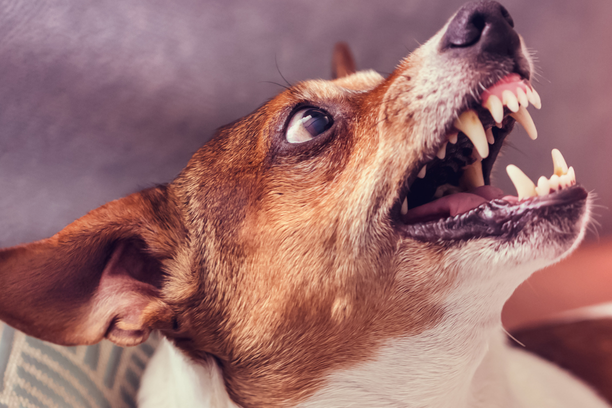
Aggression is a more intense behavioral response than reactivity. It may involve snapping, lunging, biting, or threatening postures. While aggression can look scary, it is almost always a symptom of an underlying problem — not the problem itself.
At Torchlight K9, we work with Oklahoma pet owners to identify what triggers their dog’s aggressive behavior. Common causes include:
- Fear or Anxiety: Dogs may lash out when they feel trapped, threatened, or uncertain.
- Territorial Behavior: Protecting their home, yard, or family members can lead to defensive aggression.
- Resource Guarding: Some dogs become aggressive over food, toys, or resting spots.
- Lack of Socialization: Dogs that haven’t been exposed to a variety of people, animals, or environments may react aggressively out of confusion or fear.
- Pain or Health Issues: Medical problems such as joint pain or thyroid imbalances can increase irritability and trigger aggression.
Understanding the why behind aggression allows for a targeted and compassionate approach — something that’s central to our progressive philosophy at Torchlight K9.
Why Progressive Training Works Better for Reactivity & Aggression in Dogs
Traditional training methods often relied on dominance-based approaches — corrections, intimidation, or punishment to stop unwanted behaviors. However, research and decades of behavioral science have shown that these methods can increase fear and aggression rather than reduce it.
Progressive training, by contrast, is about communication, trust, and positive reinforcement. Instead of focusing on punishing bad behavior, we focus on teaching dogs what to do instead — helping them feel safe, confident, and in control.
At Torchlight K9, our trainers use a balanced, reward-based approach tailored to each dog’s personality and needs. By understanding canine body language and emotional thresholds, we create training plans that build confidence and reduce reactivity naturally.
This approach helps not only the dog but also the owner — creating a relationship based on clarity and mutual respect rather than fear or frustration.
Real-Life Scenarios from Oklahoma
A Case from Edmond: Overcoming Leash Reactivity
A client from Edmond came to us with a two-year-old Labrador named Cooper who barked and lunged at every dog they passed during walks. The owner had tried choke collars and verbal corrections, but the problem only got worse.
Our team at Torchlight K9 introduced a new, positive training plan. We began by increasing the distance between Cooper and his triggers, rewarding calm behavior, and slowly reducing the distance as his confidence grew. Within a few weeks, Cooper could calmly pass other dogs without reacting.
This transformation didn’t happen through force — it happened through understanding, patience, and progressive training for Reactivity & Aggression in Dogs
A Tulsa Family’s Challenge: Fear-Based Aggression
Another Oklahoma family came to us with Bella, a rescue German Shepherd who growled and snapped at strangers visiting the home. We discovered that Bella’s aggression was fear-based, triggered by past trauma and lack of trust.
We created a desensitization program involving controlled exposure to visitors, combined with positive associations like treats and calm praise. Over time, Bella began to see guests as a source of rewards instead of threats.
Now, she greets visitors politely, and her family finally feels confident hosting friends again.
Steps to Address Reactivity & Aggression in Dogs
At Torchlight K9, our process for addressing these behaviors involves three major stages — assessment, behavior modification, and reinforcement — though every plan is customized to each dog’s temperament and triggers.
Step One: Understanding the Dog’s Emotional State
Before beginning any training, we observe how the dog reacts to specific triggers. We look at body language cues — tail position, eye contact, ear movement, and overall tension — to identify what causes discomfort or fear.
Step Two: Creating a Progressive Training Plan
Once we understand the root cause, we create a structured plan using proven behavior modification techniques such as counterconditioning, desensitization, and operant conditioning.
For example, if a dog reacts to other dogs on walks, we start training at a safe distance where the dog can remain calm. We reward relaxed behavior, gradually moving closer over time. This teaches the dog to associate calmness with the trigger rather than fear.
Step Three: Reinforcing Calm Behavior
Consistency is key. We teach owners how to maintain calm, confident energy, avoid reinforcing anxious reactions, and continue rewarding the behaviors they want to see. Over time, these small steps create big, lasting changes.
The Role of Environment in Behavior for Reactivity & Aggression in Dogs
Oklahoma offers a diverse environment — from busy urban streets to open countryside — and each setting can affect a dog’s reactivity differently. Dogs in quiet rural areas might react strongly to unfamiliar city noises, while city dogs may struggle with overstimulation in crowded parks.
That’s why Torchlight K9’s training programs are designed to generalize good behavior across different environments. We conduct sessions in real-world locations around Oklahoma, helping dogs and owners practice calm, controlled behavior no matter where they are.
Helping Owners Become Confident Leaders
One of the most rewarding parts of our work is helping owners regain confidence. Many clients come to us feeling helpless or even ashamed about their dog’s behavior. Our trainers remind them that aggression and reactivity are not signs of failure — they’re signs that communication has broken down.
Through education, patience, and hands-on coaching, we help Oklahoma owners learn how to read their dog’s body language, respond appropriately, and lead with clarity. The result is a stronger bond, a calmer dog, and a happier household.
Tools and Techniques Used in Progressive Training for Reactivity & Aggression in Dogs
Progressive training does not rely on harsh tools or corrections. Instead, it uses evidence-based strategies and modern training aids that prioritize safety and communication. Some of these include:
- Harnesses and head halters for controlled guidance instead of pressure.
- High-value treats for motivation and reinforcement.
- Marker training or clickers to communicate precise moments of success.
- Calm environments that reduce stress and support focus.
Every dog is unique, so the right tools depend on temperament, size, and behavioral goals. At Torchlight K9, we assess each dog individually to ensure training is effective and humane.
Why Local Experience Matters
Training reactive or aggressive dogs isn’t just about technique — it’s about context. Oklahoma’s unique environment, weather, and community dynamics play a major role in shaping canine behavior.
Our local experience means we understand the challenges Oklahoma owners face: open spaces with distractions, unpredictable weather, busy neighborhoods, and varying leash laws. We adapt training methods to real-life scenarios so that results last beyond the classroom.
Whether it’s an anxious herding dog in the countryside or a reactive city pup in downtown Tulsa, Torchlight K9 provides personalized solutions that work in your world.
The Importance of Early Intervention for Reactivity & Aggression in Dogs
The sooner you address reactivity and aggression, the easier it is to reverse. Many dogs can make incredible progress when their behavior is caught early. Even minor signs — growling, stiffness, or avoidance — can indicate stress. Early professional help prevents escalation and builds positive habits before aggression becomes ingrained.
At Torchlight K9, we encourage Oklahoma pet owners not to wait until things get worse. A well-timed training plan can make all the difference between years of struggle and a lifetime of calm, confident companionship.
Building Trust, Not Fear for Reactivity & Aggression in Dogs
The heart of progressive dog training is trust. When dogs feel understood and safe, they are more willing to learn and adapt. Our trainers create environments where dogs can make choices, succeed, and build confidence one step at a time.
Instead of suppressing reactions, we replace them with healthier responses. Over time, fearful barking turns into calm curiosity, and defensive behavior turns into relaxed focus. These transformations are powerful — and they last.
Final Thoughts: A Better Path for Reactivity & Aggression in Dogs
Every dog has the potential to change. With the right guidance, reactivity and aggression in dogs can be replaced by calm confidence and trust. Through patience, structure, and science-based methods, Oklahoma dog owners can help their pets thrive in any environment.
At Torchlight K9, we believe in progress — not punishment. Our goal is to help you and your dog build a stronger relationship through understanding, communication, and compassionate training.
Whether your dog is reactive on walks, fearful at home, or showing signs of aggression, we’re here to help you navigate the journey with confidence and care.
